Marilyn and I do a quick loop of PEI en route to Newfoundland
On the ferry to PEI, circa 1968.
The last time I visited Prince Edward Island, my hair was cut straight (or almost straight) across my forehead and I had patches on my knees. Oh yeah, and there wasn’t a bridge; the only way to get there was by ferry. I don’t remember much about that childhood vacation, so this visit would essentially be my first. Marilyn had visited PEI as a teen in grade 11 on an exchange organized by her favourite English teacher, but it was based out of Moncton so her experience of the island was limited. This time we went in search of the iconic red cliffs and pastoral views.
Marilyn and I left Miramichi, NB, and took the 11 south to Shediac, then the 15 east and soon we were seeing signs for the Confederation Bridge. The clever islanders don’t charge anything to get on the island, so tourists become like lobsters wandering into the trap. Once you discover what you’ve done, it’s too late, and you feel like you’re in John Carpenter’s Escape From New York: anyone who goes on the island never comes off. In fact, the fee for motorcycles was only $20.
Marilyn wasn’t too impressed with the bridge. She asked me to write that. She thought the barriers at the sides were not very high, or not high enough. I don’t know what she was expecting for her 20 bucks, and I showed her some videos of shaky rope bridges in Nepal and Itchy Boots going over that abandoned railway bridge in Columbia but she still didn’t feel it was safe. Then I reminded her of the île-aux-Tourtes bridge we take every time we leave the Island of Montreal to the northwest and how Transport Quebec closes the outside lane to trucks because, well, I guess it can’t handle their weight, and then she felt reassured. Everything is relative.
Crossing the Confederation Bridge
It’s unfortunate that the first thing you see upon entering the island is a commercial complex at the base of the bridge, but it had a Tourist Info Centre and, more importantly, a liquor store. While I was stocking up on campsite refreshments, Marilyn was talking to the nice young lady at the Info Centre and discovering that my plan to ride the perimeter of the island in one day was a bit . . . ambitious. I’d read in our travel guide that it’s a 350 km. loop, but apparently that is just the central region. We abandoned our plan to get over to Cedar Dunes Provincial Park on the western tip of the island for sunset and, instead, camp at Cavendish Campground in Prince Edward Island National Park on the northern shore. That seemed more doable and left us time to explore some of the shoreline in search of those red clay cliffs.
I looked at a map and discovered Highway 10 running fairly close to the shore, so we started our tour there. We noticed we were on the Coast Trail and its road-sign icon was of red cliffs, so we knew we were on the right track, or trail, that is. I wanted to venture off the asphalt, but with the rain of the night before, the road got a little too slick for our liking. Even male bravado sometimes takes a back seat to better judgment, so we decided to play it safe, pull a U-turn, and head back to the asphalt.
No problem with knobby tires, but Dunlop Trailmax Mission tires cake up fast in this clay.
Soon we entered the picturesque village of Victoria. It had a lighthouse, a wharf, and gourmet fish & chips, so our search for the red cliffs would have to wait.
After lunch, we continued along Highway 1 then turned right onto Highway 19 that went along the shore. We saw a sign for Argyle Provincial Park and pulled off to explore. Success!
Click on any image for full size. I remember digging for clams as a kid.
A little more exploring as we headed north brought us to Skmaqn–Port-la-Joye–Fort Amherst National Historic Site, which tries to recognize in its name every group that has once laid claim to it: the Indigenous Peoples, the French, and the English. Today it’s occupied by Canadians, and specifically, me. I walked the trail while Marilyn took a break up at the welcome centre. You can see the ruins of two forts, the older being the French; the newer, the English, and a monument describing The Grand Dérangement.
What remains of the British fort. Commemorating The Grand Dérangement (Great Upheaval) of the Acadians
As the monument states, in 1755, after the English took possession of L’Acadie, nearly 10,000 Acadians were deported to Anglo-American colonies, to England, and to France. (The Cajun culture of Louisiana derives from its Acadian history.) Over the next ten years, about half died to disease and famine. A mere 1,600 remained by avoiding deportation, but their lands were now occupied by other settlers. Yes, Canadian history, like all history, is a story of war and conquest, with winners and losers in a primordial dynamic that continues today.
I think much of the thought surrounding “privilege,” “victim status,” “inter-generational trauma,” and “reparations” on university campuses and political discourse today stems from a sense of guilt or shame about these histories in an attempt to somehow right the wrongs of the past. My personal belief is that you can’t change the past, as much as we’d all like to, either in our personal lives or in the history of a country. Trying to do so is impossibly messy, hundreds of years after the events, and results in things like white children being told in school to apologize formally to black and indigenous children for things they never did (I’m not making this up). Rather, I think the time would be better spent learning history so we don’t repeat those mistakes, but I’ve found my students to be quite historically ignorant. It’s not their fault. Many educators are more interested in teaching values than history, and here in Quebec, the government dictates a rather selective view of its history. Meanwhile, wars and ethnic cleansing continue throughout the world, and the language wars continue here in Quebec.
Back at the building, I met up with Marilyn and we continued our journey northward, avoiding Charlottetown and zig-zagging toward our destination for the night. There are no direct roads across the island, but we were happy to take our time as we rode through those pastoral rolling hills that were the second goal of our visit. We’d been warned that Prince Edward Island National Park had been devastated by Hurricane Fiona in September 2022 and that the campground had been stripped bare of much of its old growth trees, but it’s one thing to hear this and another to see it.
Blowdown at the parkWhat’s left of Cavendish Campground
We set up camp and then decided to take a little ride along the shoreline.
We returned to camp in time for Marilyn’s favourite activity, sunset viewing, and there’s no better place to view a sunset than on a beach.
We only had one day on the island, but I’m glad we went. Like all islands, it definitely has a different energy and a slower pace to mainland life. The ferry that could take us across to the north shore of Nova Scotia was out of service, so we traversed the island again, this time taking a more direct, central route down Highway 13. You can’t speed much on these roads, but I did my best.
Soon we were crossing the bridge again and saying good-bye to Prince Edward Island. We loved it and were sad to leave, but we were now less than a day away from boarding our ferry to another island and the true destination of our summer tour.
Marilyn and I begin our east coast tour on Canada Day, 2023.
New bike, new tour.
Have you ever noticed how, just before setting off on a major holiday, strange things start happening to obstruct you? Things start breaking or go missing, or the dog gets sick, or you get audited, or the secretary for the specialist you’ve been trying to see for months phones to offer you an appointment next week. Well, according to Swiss psychologist Carl Jung, that’s your unconscious saying “Not so fast! Where do you think you’re going? Get back here, young man!” (or woman, as the case may be).
Jung’s theory is that the unconscious likes the status quo. It doesn’t like change, negative or positive. You’ve survived life so far, it deduces, so more of the same must be good, safe. This applies to all aspects of life, including planned and unplanned positive change, like going on a major holiday or experiencing a leap of personal growth. It’s as if you have to push through the obstacles the psyche in all its guile throws up in front of you before you can reap the rewards of progress.
We’d been planning this trip for close to two years. The original plan was to go summer of 2022, but with the addition of a new dog to our family, we postponed a year to allow him to settle (Obstacle #1). I’d been thinking about the trip through the dark months of the previous winter and had been planning the route, modifying the bike, and boosting my fitness to be fully prepared. Now with less than a week before departure day, all hell was breaking loose, right on time and as expected.
For one, a family member had a major medical event that left us wondering if we could go at all (Obstacle #2). Then I received a call from the car dealership: the vehicle we were expecting to take delivery of in August arrived early. Could we come complete the paperwork and pick it up before July 1? (Obstacle #3) The day prior to our leaving, when I was supposed to be full-on packing, CTV News phoned asking for an interview about an op-ed article I’d published (Obstacle #4). In the meantime, an article for my paying gig, northernontario.travel, about a club ride I did to Prince Edward County was due. (Obstacle #5) That ride was our shakedown ride during which I discovered that we were significantly under SAG, so I had to get the rear shock off and to Stadium Suspensions in Beloeil to be re-sprung (Obstacle #6). I also changed the oil, coolant, brake fluid, and rear brake pads, and tweaked a bunch of little things. I was busy.
Finally, however, on Saturday, July 1st, we were packed and ready to roll. All adversity had been overcome. The departure date, Canada Day, was symbolic and the same as it was in 2021 when I set off to discover western Canada. This eastern tour of the Maritimes and Newfoundland would be the companion trip to that one. We said good-bye to our furry friend, climbed on the bike, noted the odometer reading, and pulled away from the house.
The first task when living in Montreal is always to get out of the city. This is not always easy, but leaving after the morning rush hour on a national holiday meant a relatively quick exit. We crossed over the Champlain Bridge to the south shore and continued on Highway 20, the Trans Canada Highway, until east of Quebec City before dropping onto Route 132, the highway that would take us right the way around the Gaspé Peninsula.
First glimpse of la mer
Highway 132 is an incredible road. It’s the longest highway in Quebec, stretching from New York State in the west to the New Brunswick border in the east, and it’s one of Quebec’s oldest highways, passing through many historic towns and villages that date back to the 17th Century or earlier, when Europeans began to arrive. It’s also arguably Quebec’s most scenic highway, hugging for long sections the shoreline of the Gulf of Saint Lawrence on one side with mountains rising sharply up on the other.
When I first came to Quebec as a student on an immersion program, I lived in La Pocatière, in the Kamouraska region. No wonder I fell in love with Quebec and decided to move here. Kamouraska is one of the province’s major tourist regions. The Gulf of Saint Lawrence has opened up enough for inns (or gites, as they’re known here) to advertise “sur la mer” (on the sea), which is a bit self-aggrandizing because it’s still the river but, okay, brackish with a small tide. But the river starts to smell like the sea and look like the sea and you can imagine it being the sea, even swim in it, if you want. We decided instead to get some lunch at one of our favourite spots. The lobster bisque is worth all 400 kilometres and the $17.
When Marilyn and I toured out west, the compromise was that we did no camping; she would ride pillion as long as there was a bed waiting for her at the end of the day. Fortunately, we had friends and family across Alberta and British Columbia that welcomed us into their homes, and we took a hotel room when needed. But the remoteness of some of the regions of this trip would require some camping. How do you experience Gros Morne National Park without camping?
With that in mind, I planned strategically. Our destination for Night 1 was close to Reford Gardens – Jardins de Métis, where we would spend the next morning before continuing along the 132. The Reford Gardens is another famous garden like Butchart Gardens we visited in Victoria. Similarly, it was a labour of love by one woman, in this case Elsie Reford. By enlisting the help of local farmers and fishing guides, she was able to turn a spruce forest into a lavish garden which included the very rare Tibetan Blue Poppies. If you have to ask your wife to do anything really unpleasant, like camp in the rain, just remember the diplomatic power of flowers.
The first night was the toughest. To ensure we would have time to see the gardens, I reserved a site at Parc Régional de la rivière Mitis [sic. that’s not a typo; I don’t know why there are two spellings], barely a stone’s throw from the gardens’ entrance. I saw when making the reservation that these are walk-in sites, but only about 230 meters from the parking lot, so how bad could it be, right? Well, the sites are on a trail network and the trail was muddy and hilly. When we arrived, it started to rain, and it kept raining, all night and through breakfast the next morning. Marilyn, who is a light sleeper, heard the neighbouring campers’ music and conversation, the Canada Day fireworks at 10, the neighbouring campers’ sex, the heavy rain and thunder and, through it all, my light snoring. She got about one hour of sleep. Oh yeah, and then there were the bugs.
Not a happy camper.
As if to punctuate the state of affairs, the next morning, while I was preparing the coffee, animal excrement of some kind slid out of the tree above and landed with a splat! on the water bladder. It was going to be that kind of a day.
What the hell?
But after a porridge breakfast and a top-up of coffee, the rain stopped and the sun came out. Yes, the absence of pain is pleasure, and the sun that day was all the more enjoyable, especially while at the gardens.
Dibbler ClogOld gardening toolsMarilyn in her element
It was all uphill from here. We had survived the worst of it with our marriage intact. After a quick snack at the cafe in the gardens, we were back on the bike and headed for Forillon National Park on the tip of the Gaspé Peninsula.
We are bound for Newfoundland. If you want to follow along, click Follow.
Here in Montreal, the 2023 motorcycle season has officially begun. As of March 15th, we can legally be back on the road. The reality, however, is that no one is stupid enough to do so. I saw—or rather, heard—a scooter on the road yesterday, but I wouldn’t want to take a bigger bike out yet. In fact, I can’t get my bike out yet; there’s still several feet of snow blocking the doors to my shed.
Nevertheless, the air is filled with anticipation as it won’t be long now. Motorcyclists are scurrying about like squirrels uncovering nuts, or birds building nests. I’ve seen a few Facebook posts about preseason maintenance and, for the Harley riders, preseason cleaning and polishing. T. S. Eliot wrote that April is the cruelest month, but for motorcyclists in northern climates, it’s these last few weeks of March during The Big Melt (aka dog shit season) that are the most painful. To ease the pain, we undergo a ritual process of preparation for the season to come. Here is what I do to get ready to ride.
Bike Prep
The first thing I do is undo everything I did last fall to prepare the bike for storage. That involves removing whatever I’ve used to block the intake and exhaust ports, removing the wax I left on the bike to protect it through the cold winter months, replacing the battery and saddle, lowering the bike off the jack-stand, and topping up the tires. The bike is now ready to run, and I might start it up, just to hear its familiar exhaust note and reassure myself that all is well in the world.
Depending on the mileage, I change most of the fluids on the first warm day of spring. (I don’t have the luxury of a heated garage, so all maintenance is done outside.) I changed the oil before putting it into storage, but apparently oil ages even if unused, so I’ll do an early oil change, maybe not right away but soon. For this reason, some people put a cheap oil in the bike in the fall just for storage purposes, then change to the good stuff in the spring. I think that’s a little over-kill, so I put the same top quality synthetic oil in before and soon after storage. And no, I’m not going to start an oil thread by revealing what I use, as much as I always enjoy a good oil thread.
I change the coolant and brake fluid every two years or 20,000 kilometres, whichever comes first. I also remove the brake pads, clean them up with a wire brush, and clean and lube the callipers, paying special attention to the calliper pins. The brake cleaning might be over-kill too, but I like to know the pins are moving freely and generally to keep the brakes free of grit and grime. They’re just one of those essential moving parts that is exposed to road debris. If you’ve never done your brakes before, it really isn’t difficult.
I’m fortunate to have MuddySump’s channel to follow for routine maintenance. He’s an excellent mechanic and has the same bike as me.
I change the air filter, or in my case, because I use a K&N, clean and re-oil it. This year I’ll be adding a Uni pre-filter to my bike. On my Tiger 800XC, the OEM filter is under the tank, so adding a pre-filter will not only help protect the engine but also significantly cut down on the service intervals for the filter in the air box.
Then the fun begins: I add all the mods I’ve bought through the winter.
Gear Prep
If you didn’t launder your gear and wash your helmet liner in the fall, now might be a good time to do it. I also get out the leather conditioner and go a little crazy with it. First I do my leather jacket, then my gloves. Then while the rag is damp I do my satchel, my shoes, my wallet, my fountain pen cases, my belt . . . like I said, I go a little crazy. I do this once in the fall when I put my jackets away and once in the spring. We have baseboard heaters which pull all the moisture out of the air in the house, so I do this at least twice a year.
My favourite brand of leather conditioner? This might start a thread as long as an oil thread, but I’ll say that someone who works at the high-end store in Montreal where I bought my satchel once graciously confided that Armor All Leather Care Gel is just as good as the expensive stuff they sell. That was my brand until Canadian Tire stopped selling it. Then I switched to Simoniz, which I didn’t like as much, and lately it’s been Chemical Guys, although this year I’ve noticed that it’s leaving a white film on the leather once it dries. So after doing a little research, I’m going to try Cobbler’s Choice. Like I said, I’m a little obsessive about moisturizing my leather goods. The best moisturizer, however, is good ol’ beeswax, although it leaves the jacket sticky for a few days.
So with every leather item in my house sufficiently moisturized, my gear is almost ready for the season. I squirt a little WD40 on the buckles of my ADV boots, some Pledge on my helmet, wipe some silicone onto the rubber that seals the visor, and polish my visor with Plexus. Yeah, this stuff costs a lot, but Ryan F9 has done a video showing that it’s the best. If the visor is old and too badly scratched to restore, this is when I get a new one; there’s no sacrificing when it comes to vision on the bike.
Treat your tent fly to Kiwi Camp Dry Heavy Duty Waterproofing. The name says it all.
I also get out my camping gear and give it some love. Last fall, I treated the tent with Kiwi Camp Dry Heavy Duty Waterproofing Spray. I like this stuff because it’s non-toxic and doesn’t leave an after-smell. I also clean my stove and make sure anything that needs replacing is replaced, because there’s nothing worse than a temperamental stove when on tour. The one that I use runs on liquid fuel and requires maintenance from time to time.
Body Prep
Touring for weeks on end and crawling in and out of tents, as I’ll be doing this summer, requires some fitness and flexibility. The long days in the saddle are easier if you have some cardio fitness, so I’ve been running fairly regularly. I do a 5K loop with the dog 2-3 times a week, and when I’m inspired, I run a little longer. Now that the warmer weather is almost here, I’ll be bumping that up and doing some 10K and even longer runs. Running has always been easy for me and it’s my go-to exercise for body and mind.
With all that running, I need to do stretching or my legs get tight and my back becomes prone to injury. This year I invested in some athletic therapy which gave me a set of stretches to do, and as Robert Frost said, that has made all the difference. I used to pull my back a few times a year, often at the worst possible time, laying me up for a week, but with this stretching, I haven’t had an incident in a while. I think I’ve found the answer to my back issues.
In addition to the cardio and stretching, I work on strengthening my core, so some Pilates, yoga, and generally, abdominal work. Sitting on the bike all day is like sitting on a stool with no backrest, so you need a strong core. When you start doing any off-roading, there are even bigger demands on your muscles. I’ve already done a blog about fitness and strengthening, so if you’re interested in the specific exercises I do, check that out. One thing I’ve added since making that post is to work on balance. You can do that with a wobble board, but a simple way to improve your balance skills is to stand on one foot . . . with your eyes closed. Try it. This develops all those nerves in the foot that are essential to good balance, and according to Jimmy Lewis, off road riding is all about balance.
This year, to account for the extra weight of the top-heavy Tiger, I started doing some strength training with kettle bells. I may be a natural runner, but I’ve always had the upper body of Pee-wee Herman. I really like kettle bells and I think they will become a regular part of taking care of myself. The main reason I like them is that you get cardio, strengthening, and core work all in the same workout. Because kettle bells are asymmetrical (unlike barbells), you’re always working your core, and if you string reps together EVOM (Every Minute On the Minute), you also get your cardio workout. Best of all, you really only need a couple of kettlebells to get started and can do it in a small space in the house. I’ve been doing kettlebelling for the past month or so and am loving it! I’m following Mark Wildman’s YouTube channel. He’s excellent and has a series of videos specifically for people like me just starting out.
If that sounds like a lot, it kind of is, and I’m trying to figure out how to fit it all in. At my age, recovery time is not what it used to be, if you know what I mean. At first, I tried staggering running and strengthening on alternating days, but that didn’t leave me any days off to recover. Currently I do a run after my long days at work to run off the stress, then a double workout of kettlebelling followed by a light run when I can, which wipes me out but then I take a full day off with just some stretching. In other words, I listen to my body and adjust accordingly, keeping in mind that you need to do an activity 3-4 times a week to see benefits.
Finally, the only other muscle I exercise is . . . eh, hem . . . not what you’re thinking but my clutch hand. I keep one of those spring grip devices on my desk all winter and pick it up from time to time. Works better than a stress ball and helps avoid arm pump when off roading.
One hand on the mouse, one hand on the grip strengthener.
Eye on the Prize
It was the best of times, it was the worst of times . . . it was the spring of hope, it was the winter of despair. Charles Dickens wasn’t a motorcyclist, but in describing the Victorian era he caught something of the spirit of this intermediary period. As I come to the end of my March Break and head back to work tomorrow, I keep in mind that at least I’ll soon be able to commute by bike, and before I know it, the semester will be drawing to a close and we’ll be getting ready to leave for Newfoundland. Marilyn and I booked our ferry crossing the other night so that trip is a go! 18 days together on the bike camping through Gaspé, Gros Morne, and across The Rock. It’s going to be epic.
Keep your eye on the prize, folks, whatever that may be for you. Have a safe and enjoyable season.
The second tour of the coming season will be down memory lane.
Jumping waves on the Outer Banks, NC, circa 1970.
When I was a boy, my parents used to take us down to Cape Hatteras on the Outer Banks of North Carolina for our family vacations. I was the physical barrier separating my two older sisters in the backseat of our Pontiac Strato-Chief. My dad had installed seat belts in our favourite colours according to this arrangement: red, blue, green. Or was it green, blue, red? I can’t remember, but I remember quite a lot about those vacations. They were among my happiest memories growing up, despite the backseat shenanigans.
Not my dad’s Strato-Chief but similar.
We went with another family, and apparently those vacations left an impression on them too, for one of the children named her future child after me. En route, we camped at Shenandoah National Park in the Blue Ridge Mountains. I still remember the nature hikes led by a ranger (who taught us to recognize a particular birdsong by its resemblance to “Drink your teeeeeea!”), the nighttime slide shows at the amphitheatre, walking back to our campsite afterwards, the fog so low you could bounce your flashlight off the underside of a cloud, and the rainstorms. The rainstorms! To this day, I love a good rainstorm from inside a good tent.
Since getting my licence in 2016, I’ve wanted to return and ride the Blue Ridge Parkway, and this summer I finally will.
We would drive much of the Blue Ridge Parkway before spending a day in Williamsburg, then head over to the coast and camp along the Outer Banks. The campground was so close to the ocean you only had to walk along a boardwalk over the dunes to the beach. I wasn’t a strong swimmer and the sea always frightened me, but I enjoyed playing along the shoreline. One year, we went to The Wright Brothers Memorial at Kitty Hawk, and I think my first ever book was a staple-bound biography of The Wright Brothers I purchased from the gift shop there with the few dollars we were given for “spending money.” That seed of interest later sprouted into a dream of being a pilot when I grew up, and although my career ultimately went in a different direction, it has combined with another interest of mine—poetry—to produce a collection of poems that explores the theme of flight. I might not be a pilot, but I can imagine being one; the opening section is in the voice of Wilbur Wright.
A postcard of this famous photo of the first flight sat on my desk and served as inspiration.
The last time I went down there I was 14. My sisters by this point were already doing their own thing and didn’t go, so I had the backseat all to myself and Supertramp playing on my cassette recorder. During one rest stop on the Blue Ridge Parkway, we came out just in time to watch three motorcyclists start up their bikes and roar off down the parkway. One was a woman on a BMW. I’d never heard of that manufacturer but my dad clearly had. “Did you see that young woman take off on that BMW?” he remarked to my mom.
Perhaps another seed was planted on that holiday because, since getting my licence in 2016, I’ve wanted to return and ride the Blue Ridge Parkway, and this summer I finally will on my Triumph Tiger 800 named Jet.
The trip so far is pretty sketchy, but that’s generally how I like to tour when I’m on my own. In the earlier trip planned for this coming summer, my wife and I are going to visit Newfoundland, and much of that trip has been scheduled. For this one, however, all I know so far is that I’ll ride The Blue Ridge Parkway and Skyline Drive at some point, camping at Shenandoah National Park. I also know that I’ll ride some dirt in the MABDR and NEBDR (Mid-Atlantic and North East Backcountry Discovery Routes respectively). The MABDR and Blue Ridge Parkway plus Skyline Drive cover similar geography, so it makes sense to do one down and one back. One is asphalt, the other primarily dirt.
I’m thinking I’d also like to get out to the Outer Banks and ride them too if I have the time. They are less than a day’s ride from the Blue Ridge Mountains. Lea of Got2Go recently rode them and titled her YouTube video “The BEST road trip of the USA East Coast?”
Got2Go Rides the Outer Banks
At the time of this writing, there are lots of unknowns. Will I be touring solo or with a few friends? I’m good either way, but it would be nice to ride the technical sections of at least the NEBDR with a few buddies, and I’ve put a few feelers out. If I get some takers, will they do the whole tour with me or only one or both of the BDRs? If they can only do the dirt with me, I might change the order of things and ride the BDRs down and the asphalt back, to accommodate them.
I also don’t have a precise route mapped out yet from the Canadian border to the top of Skyline Drive. I’ve got Google Maps, Kurviger, and Rever open in separate tabs of my browser with the “Avoid Highways” option selected and am studying their suggested routes. Depending on which router I’m looking at, it’s between 1000 and 1100 kilometres from my house to where the scenic drives begin. This is prime Civil War geography through Pennsylvania and I’ll be tempted to stop often at historic landmarks.
Will I ride Tail of the Dragon while I’m down there? I’ve heard from several people that it’s not worth it and, in fact, is a little dangerous with superbike and sports car idiots treating it like a track instead of a public road. There are apparently many roads in that area just as good or better and less populated. Do you have any suggestions? Let me know.
So there’s a lot still to decide about this one but one thing I do know is that I’ll be leaving sometime in the fourth week of July and will have a little under three weeks before I have to be back for work mid-August. That’s not a lot of time but my parents did it in three weeks, if memory serves me well, and they had three kids in tow.
I know a lot will have changed and I can’t expect everything to be as I nostalgically remember it. You can’t go back in time or relive your childhood, nor would I want to. But I suspect the mountains and the ocean won’t have changed much since I saw them last, and that’s what I’m going there to see. And this time, instead of being stuck between two sisters in the back seat of a car, I’ll be riding my Tiger 800XC, putting it through the full range of its abilities as I carve new memories through the Appalachian, Blue Ridge, and Great Smokey Mountain ranges.
As I write this, we’re having yet another major snowfall in Montreal. It’s been a particularly snowy winter and after a few mild days, some of us got lured into thinking spring is just around the corner. But as I sit looking out the window of my 2nd-storey study, it’s hard to imagine that the Montreal Motorcycle Show is next weekend and we can legally be back on the road in less than a month.
My favourite way to avoid shoveling: write a blog post!
Still, I must continue making travel plans in a kind of blind faith in the power of nature. If I put on my cheap Dollar Store shades, all that white outside becomes a shade of green, and I can almost imagine it being June and setting off. With this trip, there are some reservations that have to be made, like booking the ferry on and off Newfoundland, so I have started to map out a rough outline of our planned exploration of the Canadian east coast. This will be the book-end tour of the west coast trip of 2021.
Learn from your mistakes
I’m trying to keep in mind what I learnt from that last one, specifically, sometimes less is more. That’s what I keep telling my students, anyway, who think they are clarifying their thesis statements by adding clause after clause. The last trip was spent too much on the Superslab in my need to cover distance in the time I had. I don’t want to make the same mistake so am trying to be realistic in what we can see in the time we have away from the dog and our jobs. Marilyn, the domestic accountant, likes to remind me about our budget too.
My first route planned included The Cabot Trail. It seems sacrilegious not to “do” The Cabot Trail if you are anywhere within 150 kilometres of it on a motorbike, and we will be passing through Cape Breton en route to Sydney, NS, where one catches the ferry to get to Newfoundland. But my practical wife reminded me that we have been to Nova Scotia several times and both ridden (at least, I did) and driven The Cabot Trail and maybe we should devote that time to Newfoundland and perhaps Prince Edward Island, which we haven’t visited. This is a classic case of idealism (i.e. “we can do it all”) versus realism (“we are only human”) so we’ll see in the coming months which ideology wins.
The Cabot Trail: an iconic ride
Gaspésie, PEI, Nova Scotia, Newfoundland
What we do agree on is that we’d like to ride the coast of the Gaspé Peninsula, or as they like to call it here in Québec, La Gaspésie. I’ve driven that before and it’s spectacular. Marilyn hasn’t seen the Roche Percé, and like the Butchart Gardens we visited on Vancouver Island, we will make a stop at the Reford Gardens in Matane, QC. Forillon National Park at the tip of the peninsula is pretty special too.
Another decision we have is whether or not to visit Prince Edward Island. Our Insight Guides book suggests a three-day 250-kilometre road trip that includes Charlottetown, Argyle Shore Provincial Park, Brackley Beach, and the West Point Lighthouse near Cedar Dunes Provincial Park. Hopefully, those provincial parks offer camping. Technically, I’ve been to PEI, but I was too young to remember much. If we can’t work it in this summer, we will definitely get out there next. Aside from NWT and Nunavut, PEI and Newfoundland are the only provinces or territories I haven’t visited, so I’m hoping we can devote a few days to get a taste of the island.
Should we take the day or night ferry to Newfoundland? There are pros and cons of each, as I see it. A day crossing might be time wasted, just looking out for 7+ hours over endless water. I know there might be the opportunity to do some whale watching, but I’m sure we’ll be doing some of that once on the island. A night crossing is more expensive if you buy a cabin and try to get some sleep. On the other hand, the cabin isn’t any more expensive than a motel room, which we’d have to get soon after landing from a day passage. I’m leaning toward a night crossing. I’ve never experienced sleeping on a boat like my parents did when they immigrated on the Queen Elizabeth II and I think it would be novel. If we cross during the day, we will camp at a favourite campground in Baddeck in order to get to the ferry in the morning; if we cross at night, there might be time to ride The Cabot Trail or stay at Meat Cove, which is an amazing campground off The Cabot Trail right at the eastern tip of Cape Breton Island.
If you’ve visited Newfoundland, what did you do and why? I’m open to advice. There is a growing sense of urgency to decide, especially if we want a cabin as they sell out early, so decisions have to be made soon.
Neither Marilyn nor I has visited Newfoundland before, so this is going to be a treat. Again, we can’t do it all, and we’ve decided to focus on the west coast. Gros Morne National Park is a bucket list item. Then we will continue up the coast on what’s called The Viking Trail because I like history and am interested in seeing the Viking settlement at L’Anse aux Meadows. Then we will cross the island to Saint John’s because, well, you can’t visit Newfoundland without strolling around Saint John’s, including “hydrating” at a pub on Water Street before climbing Signal Hill. I’ve heard and read about these places and look forward to exploring them in person.
Finally, we have to decide whether we have time to ride The Irish Loop, a 325 kilometre loop along the coastline south of Saint John’s. The name is intriguing since we both have some Irish blood. And anything along a shoreline is bound to please me on the bike. Our guidebook suggests 2-3 days for this, so it really depends on if we can fit it all in.
Maine, New Hampshire, Vermont
Currently, the plan is for Marilyn to fly out of Saint John’s back to Montreal like she did from Vancouver when we were out west, and I’ll continue on solo. And I’m pretty sure I’ll come back via The United States instead of my initial plan to return via Labrador and the north shore. Like the caribou during their migration, I’m detouring to avoid bugs. Besides, the riding through Maine and New Hampshire will be more interesting than through Labrador. I recently purchased a subscription to Rever, which classifies roads on a colour coding system, and there’s a cluster of G1 (Best) roads in the White Mountains of NH that is calling my name.
G1 Best roads to ride are in yellow. That cluster in the White Mountains looks interesting.
I might saunter my way back along the coast, checking out Bar Harbour and a few other places before cutting diagonally north-west through the White Mountains. Without the deadline of ferry crossings, this will be the unplanned, unscheduled segment of the trip, which is generally how I like to tour. Maybe I’ll stay an extra night in New Hampshire so I can ride those primo roads unladen with gear.
This trip is going to take me about three weeks—two weeks with Marilyn, and about a week solo to get back. After a short rest in which I’ll service the bike and change my tires to something more dirt-oriented, I’ll head off again, this time to ride some BDRs. It’s going to be a full and exciting summer on a new bike, and I’ll have lots to write about so click Follow if you want to follow along.
After 8 years and almost 100,000 kilometres, I pass Bigby on to new owners.
Saying good-bye to Bigby. A final chain lube and I handed over the keys.
The first night of my motorcycle training class, the teacher asked: “Okay, what do we have here? Who wants a sport bike? A cruiser? A tourer? An adventure bike?” Students put up their hands accordingly. I didn’t even know what an adventure bike was yet, but I knew I wanted something that would allow me to explore, and I didn’t want to be limited by pavement. The places I wanted to explore likely wouldn’t have any pavement.
At the end of the evening, I approached the teacher to ask about helmets. What would he recommend, full face or modular? At some point, I must have mentioned that my dream was to travel across Canada by bike. “You’re going to get a BMW, aren’t you?” he said. I guess he knew enough about ADV culture to know that is the most popular ADV brand, thanks to Ewen and Charlie, and KTM’s big mistake in doubting them. And in the end, he was right. After a little research online, I zeroed in on the f650GS as a perfect starting bike—low seat height, not too much power, well balanced, reliable, and easy to ride and maintain.
A quick search on Kijiji turned up one for sale near me on the West Island. It even had hard luggage and a touring screen, all set for cross-country touring. It seemed destined to be mine, and within a few days, it was. Getting that bike has been one of the best decisions of my adult life. It has connected me to friends, to readers, to a country, and to aspects of myself I didn’t know existed.
The first photo of me on the bike, June 2015. Lots of comments on Facebook about my lack of gear, but little did they know I didn’t yet have my licence.
It almost didn’t happen. The bike doesn’t have ABS, and I’ve grown accustomed to ABS in the car during winter when the roads are icy. I thought it would be essential for a new rider and not having ABS was almost a deal-breaker for me. But fortunately, the few people I consulted about my decision were not fans. One distinctly said, “You have to learn how to brake properly without it.”
So I did. I’ve heard of people who use only rear brake. Apparently, Honda mechanics discovered that the rear brake pads of Gold Wings were wearing out faster, much faster, than the front pads, which doesn’t make sense since most of the braking happens with the front. They concluded that Gold Wing riders weren’t using the front brakes, so they developed integrated braking—both front and rear come on, even if you only apply the rear. Smart. Honda engineers outsmarted the riders for their own safety.
My bike didn’t have integrated braking or ABS, so I had to learn how to brake properly. Mostly this meant squeezing the front lever, not grabbing, to load the front contact patch before pulling harder, and using just a little rear to stabilize the bike. I did this every time I stopped, even when cruising along the Lakeshore, at every stop sign and every light, front and rear in correct proportion, so it became muscle memory. Then in emergency situations, which I had, I didn’t have to think about it; the technique came “naturally” and I thankfully never tucked the front end, even once at speed in heavy rain on Heidenau tires in Northern Ontario when I rounded a corner to find someone backing up on the two lane Highway 101.
My first adventure bike rally, Dirt Daze in Lake Luzerne, NY. June 2017.
I knew I also needed to develop my off-road skills to become an ADV rider. I took a course at SMART Riding Adventures in Barrie, and another with Jimmy Lewis at the Dirt Daze adventure bike rally in New York. I joined Moto Trail Aventure mostly for the Rémise en Forme with a certified GS instructor, and the BMW Club of Québec for the same reason. (I actually planned to do rides with both clubs too but that never materialized.) This instruction set the perfect foundation for off-roading, and then it was just a matter of practice.
BMW Rémise en Forme, May 2017Moto Trail Aventure Rémise en Forme, May 2017. As you can see from the mud on me, I’ve gone down a few times.
You don’t even need any dirt to practice off-road skills. I go up to my local church parking lot and do slow speed maneuvers. As Jimmy said, off-roading is all about balance and traction control, so I practiced the balance stuff on Bigby regularly. I also practiced the traction when I could, getting out of the city up onto the dirt roads and ATV trails in the Hawkesbury area. Bigby is a GS, which means Gelände/Straße (off-road/on-road), but I soon learned the limits of the bike. I never learned it street limits; I could lean that bike over and scrape the pedals, even with knobbies on, but I discovered its limits on the trails. The clearance was the biggest limitation, and the front suspension with the 19″ front wheel. It took some superficial damage for these lessons, but I also learnt not to lament the scratches. A fellow rider at my first Dirt Daze rally saw me brooding on my first scratch and said, “You can’t worry about that. It’s a bike.” The matter-of-fact way he put it set me straight.
I also had to learn my way around the engine. Knowing I would be riding into remote areas, I had to know the basics and how to fix problems. As I had with car mechanics, I started with an oil change, then coolant, brake pads, and brake fluid. I bought the bike with 35,000 kilometres on it, so it wasn’t long before I had to do the valves. That service was $1000 at the dealer, just to check them, so necessity was the mother of invention and with my trusty Haynes service manual, I did the valves myself in the shed. (I don’t have a garage, and my poor workspace has been the biggest obstacle to overcome. I’ve lost and found a lot of hardware on the driveway and in the grass!)
Problems at the 2018 Dirt Daze rally. A broken water pump left me stranded for much of the rally. MaxBMW shipped a new pump “overnight” which, due to the remote location, took most of the weekend to arrive, but I got home okay.
The Achilles heel on this bike is the water pump, and I’ve changed that a few times, including once at a rally because I hadn’t done it correctly the first time. (A plastic impeller gear wasn’t installed properly and rattled loose while off-roading.) That was the only time I considered selling the bike early, until I discovered the error was mine and not a fault of the bike. Once done correctly, the pump lasted another 40,000 K until I preemptively changed it before going across Canada.
The other big job was changing the swingarm bearings. That required removing the gas tank and subframe, so basically the entire back half of the bike. The pivot bolt was badly corroded and stuck, and it took two days of troubleshooting and, in the end, two hammers—a ball pane as punch, and a sledge hammer to drive—one on top the other, to get it out. But it eventually surrendered. Yes, I have cursed and praised this bike in equal measure over the years.
Success! Pivot bolt and swingarm removed for servicing. September 2019. Under the tarp at right is the gas tank and subframe. Headphones are for all the whacking needed to get it out.
I changed those bearings as well as all wheel bearings, clutch plates, the shock, rebuilt the forks, re-lubed the steering head bearings (which were in surprisingly good shape so didn’t need to be changed), and have had the dash assembly apart. And in the end, I restored those scratched body panels to make the bike look good as new.
My first trip on this bike was back to Ontario to show it to my dad, who used to ride. I left the day after getting my full licence. The next month I did my first moto-camp down at Loon Mountain in New Hampshire for their highland games. The following year, my first year with full licence, I went to Nova Scotia to ride the Cabot Trail, passing through Maine, Deer Island, and New Brunswick en route. I’ve also toured Northern Ontario, and these tours have led to some paid writing for northernontario.travel. So the bike has become for me more than a past-time. It has taken my writing in a new direction, and that of course refers to this blog too. I’ve made connections and friendships with people online, and met some of them in person during my travels. I hope to meet more of you in the future.
Off-Roading in Cape Breton, July 2017.
I have also met new friends locally in club riding. When I began, learners couldn’t ride without an experienced rider accompanying them, so I joined The West Island Moto Club, and some of these members have become my closest friends. I’ve done some touring with the club, but mostly I do day rides with them, and it wasn’t long before, with the right mentorship, I was leading rides.
One of the first club rides that I led. This was to Ottawa via Gatineau for the Tulip Festival. May 2018.
Some of my favourite riding on this bike has been in the northeastern states like Vermont, New York, and New Hampshire. I’ve ridden the Puppy Dog Ride on it a few times, and some of the Hamster Ride in New Hampshire, and Bayley-Hazen military road. The 650 GS is perfect for this type of light off-roading. I had a 15-tooth counter-sprocket on it for years, which gave it more low-end torque, and there’s nothing like feeling the pull of the big thumper as you climb a steep hill, or sliding out the back end as you round a corner.
Finally crossing Canada, July 2021.
Finally, after developing these riding and mechanical skills, modifying the bike to what was perfect for me, and waiting for Covid generally to be over, I completed my dream of crossing the country, and this bike, 15 years old and with over 100,000 kilometres on it, got me there and back. Ironically, the only issue I had was with a new battery I’d just installed for the trip. But the bike, fully loaded, pulled my wife and me over The Rocky Mountains, and took me up north of the Arctic Circle into some truly remote territory. The bike fulfilled its purpose for me—to learn about motorcycling, develop the skills necessary for adventure touring, and get me over the dangerous first few years of riding. It has been the best first bike I could have had, and now it’s time to pass it on to another new rider. Like me, the new owner has bought the bike before obtaining her licence. I’m sure it will be as good a beginner bike for her as it was for me. The engine is still strong, and I wish them both many safe and happy adventures in the future.
At the Arctic Circle, August 2021
My new bike is a 2013 Triumph Tiger 800XC. The XC stands for cross country, so it’s also capable of light off-roading, and I’ll be taking it on BDRs and other adventure tours. It does has ABS, but being a 2013, it doesn’t have any rider aids, and as I read about the new bikes with throttle control, wheelie control, slipper clutches, and other traction aids, I can’t help thinking about what riders of those bikes aren’t learning. I’m happy to be learning how to control the power of this 94 HP engine properly, just as I learnt to brake properly on the GS. It’s going to take my riding skills to the next level. The blog will be keeping its URL and name in tribute to the bike that got me started and to which I owe so much.
Next season I will complete my cross-country tour by riding the East Coast. I plan to visit Gaspé, New Brunswick, Prince Edward Island, Nova Scotia and Cape Breton, Newfoundland, Labrador, and the north shore of Quebec including the Saguenay. I might try to ride solo up to Fort George on James Bay “on my way home.” This would allow me at least to set foot in Nunavut. I also plan to ride the Mid-Atlantic and North-East BDRs next summer, if I can get it all to fit. So stay tuned, my friends. The journey continues.
In this third post in a series on gear, I talk about the camping gear that works for me.
There are many reasons to do moto camping. The obvious one is that you save on accommodation costs. Most campgrounds will charge a fraction of the cost of even the cheapest hotel room or AirBNB, and if you do wild camping, it’s free. But I don’t think that’s the best reason to camp. Camping gains you access to remote areas only accessible if you’re willing to tent it. Yes, you have some inconveniences, but you get to sit by a fire through the evening, hear loon call through the night, and wake up to mist on the water—priceless experiences you can’t get at even the most expensive hotels. One of those inconveniences is that you have more stuff to carry on the bike, but trust me, it can all fit quite easily if you get the right gear. Here is what has worked well for me over the years and during my cross-country trip last summer. I’m not saying these are the best options, but it’s what I’ve been using and am happy with.
Tent
MEC Tarn 2
The tent I use for car and canoe camping is too big for the bike, so when I moto camp, I borrow my son’s MEC Tarn 2. Yes, he lent it to me the entire summer last year when I did the big trip. I keep thinking I should buy my own but he asks why if he’s not using it. That’s very generous of him, especially because it’s a great 4-season tent.
He lived in it an entire summer when he was tree-planting. It was the smallest tent in camp, and I’ve had people comment on “my tiny tent,” but we both love it for its size because that makes it warm and cozy. And when you are only sleeping in it, why do you need anything bigger? MEC says this is a two-person tent, but the only way it could fit two people is if they slept head to toe, and even then it would be tight. I find I can sleep comfortably with room for my jacket, pants, tank bag, and even a helmet beside me. Yes, for security reasons, I normally take my tank bag and helmet into the tent.
One especially nice feature is the large vestibule. I can fit both of my 40L Touratech panniers in the vestibule if I want a day of unencumbered riding, or at night my duffle bag, boots, and other gear I want to keep dry and close . . . but not too close, if you know what I mean. With only three poles, the tent is quick and easy to set up, and it has held up great over the years. We’ve both been caught in some big storms but it has kept us dry and warm. What more could you ask?
The poles are a little long so the length when packed up is 23″ x 7″ (diameter), but it fits perfectly into the bottom of my Wolfman Duffle or strapped onto the top of a pannier. Unfortunately, this tent is no longer available but there are others with a similar low-profile design and large vestibule. Eureka make one that is similar. I normally put a cheap tarp underneath to protect the floor but I make sure it doesn’t extend out beyond the fly or it will catch rainwater running off the tent and transport it underneath. I’ve never needed to string a tarp over this tent.
Marilyn and I didn’t do any camping together while she was riding with me last year, but I think we’ll have to next summer when we tour the Maritimes and Newfoundland. I’m in the process of researching a 2-person tent, and the MSR Elixir 2 is on my short-list. If you know of a good but reasonably priced 2-person tent, please let me know. Yeah, we’d all like to have a Hilleberg; maybe in my next life.
Sleep System
Inside the tent, I use a Nemo Cosmo mattress. I’ve used various self inflating mattresses and considered the popular Sea to Summit mattresses, but in the end, I bought this for a steal when it was discontinued and I have no regrets. I know the current inflatable mattresses use a fill bag instead of a pump, but I’ve never found the built-in pump annoying. It takes a timed 90 seconds to fill.
More importantly, this mattress is very comfortable and warm. Fully inflated, it’s 2.5 inches thick, and although that doesn’t sound like a lot, it beats the self-inflating mattresses and I can sleep on my side comfortably without my hip touching the ground. I’ve recently come across some sleeping bags that do not have any fill on the underside, and that’s because most, if not all, of the insulation from below comes from your mattress, so it’s a good idea to get one that has a good R-value, especially if you are doing any camping in Canada. The Nemo is 20R rated for temperatures from 15 – 25°F (-9 – -4°C), and I’ve never been cold on it. It packs up to 11″ x 6″ (diameter) and weighs 1 lb 13 oz, or 815 grams.
Overall, I’m very happy with this mattress. The only shortcoming is that the nylon surface is slippery, as is my sleeping bag, and I’m an “active sleeper,” so I’ve woken up briefly in the middle of the night off the mattress.
Nemo Cosmo Mattress
For years, and for the big trip last summer, I used a synthetic sleeping bag. It was fine in terms of warmth, and being synthetic meant I could throw it in a washing machine mid-point when I got to Calgary. However, being synthetic, it doesn’t pack up very small and that meant I had to take my large Firstgear 70L duffle when I really wanted to use my Mosko 25L Scout on the tail rack. Realistically, it probably never would have worked with the Scout; when Marilyn joined me, we needed all the room of the larger duffle for all our stuff, but when I got back, I bought a compression sack so I could cinch the bag down smaller. That certainly helps, but I’ve since bought a down-filled bag from MEC and that is now my preferred bag unless I expect to be wetting it (not yet) or sleeping in dirt (not likely) or in heat (not now). I got just a 650-fill one, which was affordable and adequate for 3-season camping, and it packs up small and is very light. I now recognize that for moto camping, you really need a down bag for its reduced size and weight. And for laundering it, I bought some Nikwax Down Wash Direct.
Finally, I use a Sea to Summit silk liner inside the bag to keep it clean. How often do you launder your bed sheets? I know that’s an impolite question to ask most bachelors. But you should launder your bag as often as your sheets, and a liner is a lot easier to launder than a bag. (You can, in fact, hand-wash it easily at a campground.) The benefits of a liner aren’t just related to hygiene. It adds warmth when you need it, and can replace a bag when it’s hot. There are lots of different kinds, from fleece to synthetic, but I decided to get the silk one because it insulates and breathes, so is practical in a wide range of conditions. Sorry vegans.
Sea to Summit Silk Liner. Girl not included.
Stove
The type of stove I prefer is one that runs on liquid fuel. I don’t like having to dispose of propane canisters and I find them bulky in the limited space of my panniers. Instead, I have two 1L MSR fuel bottles that fit into racks on the back of the bike. (Most pannier systems, soft and hard, have a fuel bottle holder as optional add-on.) I already have the bottles as spare fuel for the bike, so why not double-purpose them as my cooking fuel? Some people say the food can take on the odour of burnt fuel, but I haven’t found that to be the case.
There are, to my knowledge, two manufacturers of this type of stove: MSR and Optimus. I started with the Optimus but unfortunately we had some issues with it and ended up abandoning it mid-tour a few years ago. The valve got stuck closed and then the threading got stripped in trying to open it again. To be fair, I probably was at fault in turning off the stove at the valve, but I always found that system of turning the stove off by flipping the bottle over awkward and unreliable. Had I known the casing was going to shrink when cooling and fuse itself to the threading of the valve, I would have done as instructed, but I didn’t, and that’s what happens when you don’t read the 15 pages of warnings that accompany most products today.
For the replacement, we went with the MSR Dragonfly. Same idea, better design. Liquid fuel is atomized on the underside of a heated saucer. It seems complicated at first but quickly becomes easy. You open the valve briefly and allow a little fuel to soak the wick, then light it and the resulting flame will heat the underside of the metal saucer at the centre of the stove. After about 30 seconds, the metal is hot enough to instantly turn the liquid fuel to gas and the flame turns from orange to blue. It’s a very efficient design; I can get a bottle of fuel to last easily over a week of full-time use. And best of all, you can find fuel at any gas station. It will burn all grades of petrol, including diesel, as well as kerosene and white fuel. Heck, it can probably burn alcohol if you’re in a pinch, but you’d have to be pretty desperate to burn your bourbon.
MSR Dragonfly
The main drawback of the Dragonfly is that it’s loud! Okay, it’s not like a jet is taking off from your campsite, as some online reviews claim, but it produces a steady roar, depending of course on how quickly you need your coffee. MSR also make the WhisperLite stove that is quieter, but we were talked into the Dragonfly by a salesman who uses it to do baking in the bush; the valve is that good. You can turn it right down to a simmer, unlike any other stove I’ve seen. Seriously, after having the Optimus crap out on us in Sudbury, Marilyn and I wanted a stove with a long history of tried-and-true reliability, and the Dragonfly has been used the world over at all altitudes by hikers, climbers, and campers. And after several years of use with only the most minimal maintenance, it’s working as well as the day we bought it.
Cookware
For years I used an old enamel pot and a steel frying pan, and they were adequate, but before the big trip, I upgraded my cookware. I went with a Zebra 3L Billy pot from Canadian Outdoor Equipment. There are four sizes but the 3L is right for me.
Zebra 3L Billy Pot
There are several things I like about this pot. For one, it’s stainless steel, so light and strong. There is an integrated pan that fits into the top, so I can have rice cooking underneath and a packaged curry on top, or pasta and sauce, KD and beans, etc.. I like the overhead handle so I can hang the pot over an open fire (instead of trying to balance it on rocks), and the little clips ensure that the handle doesn’t swing down when not in use and touch the side of the pot and get hot. My stove, the pan, and the lid all fit inside the pot, so it’s very space efficient.
I upgraded the frypan to the Firebox Frypan. It’s aluminum, and that might sound scary, but the aluminum is underneath a non-reactive oxide coating. Apparently it’s 30% harder than stainless steel, so scratch resistant, and—don’t worry—won’t cause Alzheimer’s. And being aluminum, it’s extremely light.
Firebox Frypan
This pan requires a little prep to set it up before using, but once done, the surface is sealed and begins a seasoning process that will make your food taste better. That’s at least what Firebox says. Usually when I’m camping, I’m so hungry everything tastes great, but I’ll take their word for it. The sealing process takes a few hours but is not difficult. The handle holds the pan securely, and I’ve used it to lift the pan of my Billy pot too. I like this frypan because it has the same properties as cast iron but at a fraction of the weight.
Between these two items—the Billy pot and the Firebox frypan—I’ve never needed any other cookware.
It’s a good idea to protect your cookware with a bag. This also prevents rattling on the bike if you have hard panniers. You can buy bags, but I decided to make my own. I bought some Cordura off of Amazon and sewed some simple bags with draw-strings. I cut a circle a little larger than the circumference that I wanted, then made a tube and sewed the two together. Then I hemmed the top of the tube and pushed a length of paracord through (attach the end of the cord to a safety pin to push through). Finally, turn the whole thing inside out so the hems are on the inside, and knot the ends of the cord so they stay put. I made an even simpler one for the frypan and plates, and one for miscellaneous cutlery, the handle, tongs, and can opener.
Homemade Cordua bags. Are you handy with a sewing machine? It isn’t hard.
Coffee!
Forget about freeze-dried coffee; you deserve better. When car camping, I’ve used the Melitta system with funnel and filters, but it’s impractical for moto camping. Lately, the only way I make coffee when camping is with the AeroPress.
AeroPress Go Travel Coffee Maker
It looks like a lot of stuff but it all fits together inside the cup. The AeroPress makes a great cup of coffee quickly and easily. The filters come in their own holder, but it’s not waterproof so you’ll want to prevent it getting wet (uh, before using). I can then fit the packed press inside one of my GSI Outdoors Glacier mugs. Again, nesting items helps keep your gear compact.
GSI Outdoors Glacier Stainless Steel Mug
Water Sterilization
Once you get into remote areas, you will have difficulty finding potable water. You can boil your water, but that’s time- and fuel-consuming. For years, I used while canoe-camping a ceramic pump like the Katadyn Vario Filter, but the first time I went to replace the filter I choked on the price—almost as much as the original unit. The pump is also a bit bulky for moto camping. That’s when, for a little more money than a new filter, I bought a Steripen.
Katadyn Vario Ceramic FilterSteripen. Conveniently doubles as a dildo.
The Steripen uses ultraviolet light to eliminate bacteria, protozoa, and viruses. It can sterilize 1L of water in 90 seconds and has a basic display that indicates your progress. You submerge it in the water and stir, ensuring all the water gets treated. (For this reason, it’s helpful to have a wide-necked bottle.) A charge lasts for 8000 uses, apparently, but if that is not enough, it can be recharged off the bike via a USB port. Best of all, it’s super small. It doesn’t filter particles, of course, and is less effective in sediment-laden water, but I used it to treat the brown water out of the pumps at Yukon River Territorial Park and suffered only mild rectal bleeding and a slight twitch. (No, seriously, I was fine.)
If you have the space, a ceramic filter and Steripen is a good combo, and this is what my son Gabriel and I did this summer canoe camping. Of course, there are always chemicals, but I gave up on them years ago. If anyone knows of a small and effective pre-filter to replace the Katadyn while moto camping, please let me know.
Fire Prep
I’ve told Marilyn I have only two requirements for our retirement home: a heated garage and either a wood stove or a fireplace. I love fires. I was bummed about the fire ban in British Columbia last summer, but thankfully it lifted at the end of July so I could enjoy fires through northern BC and Yukon, where $12 gets you a site and unlimited firewood.
For splitting wood, I have a cheap hatchet. I can’t remember where I got it. I’ve considered upgrading, and still might, but for now this is what I use. I watched a bunch of YouTube videos on how to sharpen knives and axes and bought a sharpening stone and strop with compounds and got to work. Now it’s pretty sharp and does the job. I can’t split logs in half, but I can split off kindling. I had my local cobbler make up a sheath for it.
Generic Hardware Store Hatchet
For years, I used the Trailblazer 18″ Take-Down Buck Saw for sectioning wood. Once assembled, it works great. But it does take some assembly, which makes it impractical for clearing trails when you are riding. I recently saw an Awesome Players video in which Riley is praising the Silky folding saw they use for that purpose. I dropped a hint to Marilyn and she gave me for my birthday this year the 210mm Folding Saw. My son and I used it to prune some branches away from the house this summer and again while canoe camping in August, and I have to say, this thing kicks butt! Nobody makes blades better than the Japanese. An unusual feature of Silky saws is that they cut on the pull stroke. As Riley says, they’ve tried imitation saws off Amazon and they are not the same. This is now my preferred camp saw.
Silky 717-21 210mm Folding Saw
Miscellaneous
This is getting long, so I’ll wrap it up with a few other favourites. I have two sources of light for when the sun goes down (other than my fire). One is a Spot Lite 200 headlamp by Black Diamond. A headlamp is a necessity, in my opinion, because it leaves both hands free for working around camp. This one is 200 Lumen, which is more than adequate, has settings for distance (spot), proximity (flood), is dimmable, and includes a red light, which doesn’t attract bugs. There’s apparently a way to lock it too, so it doesn’t accidentally turn on in your tank bag and drain the batteries.
For the picnic table and tent, I like the Moji Lantern, also by Black Diamond. It also has 200 Lumen max output and produces a nice soft, diffuse, light that fills the immediate area. It’s dimmable and has a strobe function as an emergency beacon, which I guess might be useful on the water but not for much else. It’s IPX 4 Stormproof, which means it can be rained on from any angle but I guess not submergible in water. The recessed switch prevents it from being turned on accidentally, and double hooks underneath allow you to hang it in the tent. All in all, it’s a very well thought-out and inexpensive small lamp (2 5/8″D x 1 3/4″). Best of all, you get your choice of four colours.
Black Diamond Spot Lite 200Black Diamond Moji Lantern
I’ve saved the best for last. My two current favourite pieces of camp gear are the Tribit Stormbox bluetooth speaker and my dad’s hunting knife.
The first time I played something through the Tribit Stormbox I was immediately impressed with the quality of sound coming out of this little speaker. It has rich, full bass, without sacrificing definition in the treble range. I don’t know how Tribit do it. The mesh on top is metal, so it’s durable, and it’s also waterproof, so you don’t have to worry about getting caught in a shower or during that river crossing. It has a built-in power bank that is rechargeable on the bike via USB-C, and it’s plenty loud enough, especially for a campground. It connects automatically to my phone when I turn it on—no need to pair each time or mess around in settings. I never thought I’d like music so much when camping, but I’ve discovered it’s very nice as a sort of companion fireside.
Finally, my favourite piece of camping gear is my dad’s old (circa 1954) Solingen hunting knife set I inherited when he downsized. Admittedly, these knives have more sentimental value than practical use, but I do use them around camp. The bowie knife is also known as a survival knife. I’m not using it in any sandbar duels, as Jim Bowie did, but I have used it to split wood by hammering on the blade with a rock or for digging a hole for poop, and a variety of other purposes that require a strong blade. If you had to survive in the bush with one knife, a bowie knife would be it. The little paring knife I use for a variety of purposes. The handles are carved antler, and the sheath is ornately stamped. It’s my prize camping possession so, sorry folks, not for sale. I see that Solingen in Germany are not selling any more hunting knives, but there’s no shortage of good quality knives available on the market. In fact, I’ve recently discovered YouTube channels devoted to reviewing knives. Who knew?
Tribit Stormbox 2 bluetooth speakerMy dad’s hunting knives. Sorry, not for sale.
If you’ve stayed with me to the very end, congratulations; go outside for some fresh air. I didn’t realize I had so much gear until I started getting into it, and figured if I’m going to talk about it, I should say something meaningful and not simply present a list. I solemnly swear that it, plus food, a small stuff sack of personal items, and even a container of spare bike parts all fit in two 40L panniers and the small Wolfman duffle tail bag. The light stuff like sleeping bag, mattress, and clothing go high on the tail rack; the heavy stuff like all the cooking gear and food go low in the panniers.
I hope you’ve found this post helpful. I know several items are already discontinued, but that’s when I usually buy gear—on clearance—and you can find similar items based on these recommendations. If you have a favourite or newly-discovered piece of camp gear, please let us (me and my readers) know by dropping a comment below. I recently took a look at my stats and this blog is getting about 3000 views per month—not a lot by internet standards, but not bad either. And while I’m on this topic, please consider following and share with anyone you think might be interested. I am hoping to grow the blog, and with retirement and another big east coast trip planned in the not-too-distant future, I still have lots to say.
In the next post, I’ll conclude the series on gear by talking about the essential tools I always carry on the bike and the navigation apps I use to get around.
In the completion of my Epic Adventure, I cover 5,500 kilometres from Whitehorse to Montreal in seven days to be home in time for work.
In my last post, I rode up The Dempster Highway to Rock River Campground, just south of the NWT border, then went to Whitehorse and did an oil change to prepare for the final leg of my Epic Adventure Tour. I had a week to be back in Montreal, 5,500 kilometres away, so I knew there were going to be some long days in the saddle. I would have to let Google Maps do its thing and direct me there on the shortest, fastest route. It was beginning to feel like my tour was coming to an end, but I still had those seven days and lots to see and to experience as I crossed the country for a second time.
My first night was at the famous Liard Hotsprings Provincial Park, just outside of Yukon in northern BC on Highway 97, the Alaska Highway. I retraced my ride on the 1 back to Upper Liard, but instead of turning right and heading south down the 37 (Stewart-Cassiar Highway), as I had come up, I continued south-east to Watson Lake. My first rest stop was at Sign Post Forest.
A quick peanut butter sandwich lunch and I was on my way again. Somewhere along the 97, heading into Liard, I encountered Bison on the road. I’d heard they are unpredictable and will charge a motorcycle, so I waited until the road was reasonably clear, then slowly passed, one hand on the throttle, one snapping photos.
I was especially nervous about passing this cow (left) while her calf was suckling.
I also came upon sections of burnt-out forest. All summer we had been dodging forest fires. Now I was seeing close-up the after-effects of one.
Looks like fire came through here a few years ago, based on the new growth.
I’d been told you have to make reservations at the campground—it’s that popular—but I took my chances on a weekday and got lucky; there were lots of spots left. I pulled in late afternoon, pitched my tent, and headed to the hot springs.
There, I met a couple of other ADV riders, so we naturally struck up a conversation about our travels. When I mentioned a few details about my trip, one of them said, “Oh you’re that guy with the blog.” That was a bit of a surprise. I’ve been writing and publishing poetry for over 30 years but have never been recognized for my writing outside of a literary context, so it was an unusual experience. Hmm . . . might the universe be trying to tell me something? I’m proud of my poetry collection, Invisible Sea, but I think my next book will be something more like this, related to my motorcycle adventures, targeting a more popular audience.
Mike at Liard also rides a 650GS and lives in Powell River. He had sent me in a previous post before I left some tips for BC touring, including the possibility of buying a week-long pass for BC Ferries, which might end up being cheaper than buying tickets for individual crossings. Thanks, Mike. I hope to catch up with you later when I retire to BC. Perhaps we will do some touring together one day.
Muncho Lake
The next day was some great riding through the mountains of Northern BC, including passing Muncho Lake. At one point, I passed a couple of motorcyclists stopped at the side of the road, so I naturally pulled a U-turn to see if they needed any help. I recognized one of them from the hot springs the day before. They had a little problem but nothing serious and would soon be on their way. As I left, I pulled another U-turn to return southward. I had the entire lane to do it and knew I could without crossing into the oncoming lane, so foolishly didn’t even check over my shoulder to see if there were any vehicles coming behind me. I also had my ear-plugs in, so the 18-wheeler barrelling down on me was a bit of a surprise and for a moment I lost my nerve and almost dropped the bike, saved by a couple of heavy dabs. The poor truck driver must have crapped his pants as he swerved onto the shoulder. I looked back at my friends and one dropped his jaw. Yeah, it was close. A momentary lapse of judgment is all it takes. In the entire 20,000K of the tour, this was the closest I came to an accident.
I also experienced in Northern BC the third and final rain shower of the six-week tour, it was that hot and dry all summer. I did “only” 616 kilometres that day and found a spot for the night at Inga Lake Provincial Park. There I met Jeremy and Samoyed, Rory, travelling in a converted camper van. Like Mountain Man Mike I had met in Yukon, travelling by converted van or truck seems to be a very popular choice these days. Gas is cheaper than with a full RV, it’s easier to get around, and most have a small kitchenette and bed. Walter and I ended up sharing a drink and watching the meteor shower together that night.
The next day was the big push into Edmonton. My friends at Liard had tipped me off that hotels are super cheap in Edmonton for some reason, so I indulged myself.
The next day I did 651K into Prince Albert National Park. I was trying to hit all or most of the national parks en route. I followed my GPS that took me the back way in (see title image above), which was more interesting but got me there later than I would have liked and campsites were scarce. In fact, I rode through the park to a couple of the campgrounds before doubling back and finding a single spot right on the water.
The site showed that it was occupied for another few days, but before I rode off, a neighbouring camper kindly came over to say that I’d be fine. Apparently, there seemed to have been a domestic dispute and the family packed up early, not bothering to remove the reservation from their site. My guardian angel had done the deed, of course, and I felt a little guilty to be profiting from an argument. How anyone can be at conflict in such a beautiful location is hard to imagine, but then again, they say a good test of marital compatibility is to go camping.
The next day was another 700K and another national park, this time Riding Mountain National Park in Manitoba. Where Prince Albert is remote and beautiful, Riding Mountain is a camping suburb. There are 427 available campsites at RMNP, and reservations are highly recommended during peak season, which it was. I think 425 were already taken when I got there, and I found myself tucked into a tiny site at the far end of the campground. I guess the park serves the generally landlocked residents of eastern Manitoba and Winnipeg and provides a summer playground for the kids, but it’s too big. It was good for a night’s rest but I wouldn’t want to vacation there. The next day I rode down to the beach just to check it out, and along Wasagaming Drive in search of a coffee. It felt very touristy, with fake indigenous trinkets, souvenir T-shirts, and plastic sunglasses. It didn’t feel like a national park, or any park, for that matter, and I didn’t buy a sticker for my pannier before hitting the road.
Riding Mountain National Park
Okay, it does have a short beach, but with that many campsites and hotels in the area, I imagine it gets pretty crowded in the summer months. This was taken early morning. By afternoon, I suspect it looks more like this.
I started heading east on Highway 16 that took me through Neepawa. The name should have twigged but it didn’t until I saw a sign indicating that the former home of Canadian novelist Margaret Laurence was nearby. What an unexpected treat! I don’t do much research before touring but prefer to follow my nose, which generally serves me well. Her home is just a few blocks off the main road. If you like her novels, it’s worth a stop. Admission is a few dollars and you receive an audio tour through the house.
Robes from Honorary DoctoratesThis is for the tourists. She actually did most of her writing at the kitchen table.
I knew that her novel The Stone Angel was inspired by a monument in a nearby cemetery and was directed there by the nice young man working at the house.
The Stone Angel
If you want to understand what it’s like to be inside the head of a failing old woman, read The Stone Angel by Margaret Laurence, set in the fictitious town of Manawaka, based on Neepawa. It should be required reading for students in Special Care Counselling who wish to work in elder care. I am always impressed by prose fiction that is not autobiographical. A mature writer is able to imagine characters and voice, not simply fictionalize his or her own experiences.
I pushed on, aiming for Kenora, just over the Manitoba-Ontario border. I was in such a hurry leaving Kenora westbound that I didn’t get the required photo-op with Husky the Muskie.
In truth, my only reason for stopping in Kenora was in search of food and campsite beer after another long, hot day on the bike. I arrived after the imaginatively-named The Beer Store had closed, but thankfully Lake of the Woods Brewing Company was still open and had cans for sale.
This delay meant that I arrived at Sioux Narrows Provincial Park at sundown, after the park had closed, but I had phoned ahead and reserved a site. The staff there were nice to not charge me a reservation fee and my reservation paperwork and a map of the park were waiting for me under a rock on the picnic table of my site when I arrived. The staff at this park get full marks.
I was now in Ontario and things were looking familiar again. I was retracing my ride westward from six weeks prior, including an overnight stay with extended family on Shebandowan Lake, just west of Thunder Bay. It was nice to see familiar faces again and sleep in a bed. I was getting pretty tired from all the riding and needed a good night’s sleep before the big push home.
The next day I rode my favourite highway, Highway 17, which I’ve written about for Ontario Tourism, including a stop for the other required photo-op in Wawa.
It was all business now and I pushed all the way to Sault Ste. Marie. I deliberated where to stay that night. I considered Pancake Bay Provincial Park, just west of Sault Ste. Marie, but I knew the next day was already going to be a very long day to get home. I considered pushing past the Sault but it was getting late and dark. I hate spending money on hotels but with miles to cover and being my last night, I splurged on a room at the Quality Inn there. Counter to Edmonton, though, hotels in the Sault are expensive. Perhaps it has something to do with being so close to the US border, just over the bridge (although the border was still closed due to Covid), or maybe it’s just a factor of pure supply and demand. At any rate, I paid through the nose but had a good night’s rest before the final push home.
The next day I rode further than I ever have, 1000 kilometres (968 to be exact), pulling into my driveway in the dark at around 10 o’clock after having successfully navigated the requisite construction detours and pylons welcoming you to Montreal. Thankfully, I didn’t have to function the next day, but I was back in town for my official availability at work. I’d have another full week to decompress, prepare for classes, and wrap my head around the culture shock of stepping into the classroom again. When I did, it seemed almost surreal that just a little over a week earlier I had been above the Arctic Circle.
The bike was a mess, an absolute disaster, and some of that week would be spent on a thorough cleaning and some much-needed maintenance. But I was home. I’d completed a dream over forty years old to cross Canada by motorcycle. It was the end of that dream, but the trip had firmly planted an adventure bug in my ear. I knew now that I was capable of more—the east coast, including Newfoundland and Labrador, the Trans America Trail (TAT), The Continental Divide, The Trans Canada Adventure Trail (TCAT), and more. I was sadly at the end of my tour, but in many ways, this was just a beginning.
In my next post, I’ll complete the blogs about the Epic Adventure with some general thoughts and reflections on the tour overall and make an exciting announcement.
Continuing north, I explore Dawson City, then venture up The Dempster Highway.
When I was at Grasslands National Park in Saskatchewan, a neighbouring camper wandered over to examine the stickers on my panniers. He had a box on the back of his camper and also collected stickers, so we struck up a conversation about the places we’d been. He told me that he and his wife had been all over Canada and their two favourite places were Newfoundland and Yukon. I’d never been north, as in North, and I had a bucket list item to see Canadian tundra, so I was especially excited about entering Yukon. The trip so far had been amazing, but in many ways this felt like the climax of the tour.
I left Boya Provincial Park and soon entered Yukon. I was expecting the 3rd degree but in the end didn’t even need to show my vaccination passport. There was a roadside check and I had to fill out some paperwork but was soon on my way.
Nisutlin Bay Bridge
The Klondike Highway (2) is long and under considerable construction, so there were delays and some tricky deep dirt and mud in the bypasses that was warm-up for The Dempster later. Apparently they’ve been working on this road for longer than Transport Quebec has been rebuilding the Turcot Interchange, but I suspect the mafia aren’t behind these delays. It led to a long hot day in the saddle. The heat was following me all the way north and it was 32 degrees Celsius in Dawson City when I arrived late afternoon.
Fortunately, there was ice cream.
The first thing you notice about Dawson City are the colours. I suspect it has something to do with there being little light for major portions of the year, like putting up Christmas lights midwinter. Or perhaps residents know that tourism is a major part of their economy so why not make the buildings look nice. Lord Elgin High School, built in the 70s in my hometown of Burlington, Ontario, with its purple and orange colour scheme has nothing on this school in Dawson City.
Robert Service School in Dawson City
I crossed the mighty Yukon River on the free 24-hour ferry and set up camp right on the river at Yukon River Campground. I love the Territorial campgrounds! They are $12/night including firewood. Like the recreation sites in BC, they work on an honour system, with envelopes and a secure deposit box at the gate.
The forecast was clear so I decided to try sleeping in my hammock. That would turn out to be not a good idea. My sleeping bag is good down to 7 degrees Celsius plus I have a silk liner, but I was still cold. The relentless heat that had been following me across the country was finally abated at night in the Yukon. I also found it very difficult to get in and out of both bags (liner inside of bag) in the pitch dark for those nighttime bathroom breaks. I wish I had a video of me trying to climb back in. I tried climbing into the hammock and then inserting legs; I tried standing and pulling the sleeping bag up first and then climbing in. Both were comical, and I felt like I was in a Charlie Chaplin movie. The next night I slept comfortably in my little warm tent.
The next day I took a guided tour of Dawson City. Yukon Tourism provides tours with a guide in period garb and you get access to buildings that are normally locked to the public. We went into the local bank (one of the first in the region), the post office, the saloon, but for some reason not the brothel. I was surprised to find the same BC fir on the ceiling of the post office that is in my 1934-era home in Quebec. I guess that wood was freighted right across this country.
Post OfficeSaloonHistoric Buildings of Dawson CityPost OfficeMy living room wallBrothel. Yes those are mannequins.Kissing Buildings. This is what happens when you build directly on the permafrost.
After the tour, I wandered up to Writers Lane, which contains the homes of three major Canadian writers—poet Robert Service, Pierre Berton, and Jack London—all a stone’s throw from each other.
Jack London’s cabin and food cachePierre Berton HouseRobert Service’s cabin
I don’t know what is in the water in these parts, but there is some major literary talent up here. In fact, Maria Rainer Rilke and other writers like Robert Bly have written that the main ingredient for good writing is solitude, and there’s certainly plenty of that up here. There is also some pretty dramatic history that makes for good fiction.
The next day I pulled up stakes and headed up The Dempster Highway. I write that casually but in fact the decision of whether to try any of The Dempster had been on my mind the entire tour as I was traversing the country. My original plan, as anyone who has been following this blog knows, was to reach the Arctic Ocean at Tuktoyaktuk. I knew I didn’t have the right tires (Michelin Anakee Adventures) but thought I’d be okay at least for the bottom 70K into Tombstone Territorial Park if it was dry. Only once I was on The Dempster, all that was on my mind was “This isn’t so bad . . . I can do this . . . I wonder if it’s all like this? . . . I don’t want to have regrets that I didn’t try . . . you won’t be here again for some time . . . don’t be a wuss,” etc., looping through my brain like the daredevil “friend” who always gets you into trouble.
So when I got to Tombstone, the first thing I did was ask at the the Interpretive Centre if The Dempster is like this all the way up. The nice young ladies at the centre replied, “Have you received permission to enter Northwest Territories?” What now? I had been following the Covid restrictions on the Yukon border all winter because it was closed for much of it, but hadn’t checked NWT! Turns out strictly residents and people doing business were allowed in. The staff did encourage me, however, to go to Eagle Plains, about halfway, and from there I could ride another 45 minutes for the photo-op at the Arctic Circle sign.
Hmm . . . I had the rest of the day to mull that over, looking closely at the forecast. (If there were any rain, I’d be stuck and would have to wait for the highway to dry out, which could be days.) In the meantime, I decided to do a hike just north of the Interpretive Centre on Golden Sides Mountain. A short ride got me to a horse trail that leads to this spectacular view of four valleys—three in front, and one behind.
Feeling like I’m on top of the world.
That night in my tent I did the mileage calculations over and over again in my head. You need to have a range of at least 370 kilometres to get to Eagle Plains. Although I had not planned to go up The Dempster, I fortunately filled up at the base of it first. (One gets gas when one can in these parts.) My bike has a 17-litre tank and I have another couple of litres in bottles on the back, only one of those bottles was half full because I use it for my stove. So I had about 18.5 L and my bike gets 20-25 K/L, depending on the riding, so I calculated my worst case scenario and concluded it would be tight but I had enough to get me there. And in the end, I did. I cruised at 80 K/hr. and my fuel light came on about 60 K from Eagle Plains but I made it.
Click on any image to enlarge.
I’m reminded of the Ernest Hemingway short story “Hills Like While Elephants”Note reads: “Gone to Eagle Plain. Everyone is okay.” Reminder that The Dempster can eat you up. This is a dangerous highway.Subarctic tundra!Hills are comprised of small stones.
Once there, I treated myself to a steak at the restaurant at the lodge. I guess dining etiquette is a little relaxed in these parts because you can apparently play ball with your dog in the dining room here, and why not? I think you should be able to play ball with your dog in any dining room!
Eagle Plains Lodge. I like how the server casually steps over the rope toy.
There I met Mountain Man Mike. Mike is an avid outdoorsman with his own YouTube channel about his adventures in his truck-top camper. He told me about Rock River Campground just south of the NWT border so I decided I’d follow him up there for the night.
I headed up to the Arctic Circle sign. Mike was already there doing some filming and took the requisite photo. Thanks Mike!
I set up camp next to Mike and we had a nice campfire through the evening. At one point, about 10 o’clock at night, he was chopping wood and it was LOUD! I asked, “Isn’t it a bit late to be chopping wood?” He paused for a second, thought about it, then said simply, “It’s expected.” Well, it’s not like Security is going to come tell you it’s quiet time.
Washing my cookware the next morning in the turquoise Rock River. Strange to see the water flowing north.
Now there are a few places on Earth where you especially don’t want your bike not to start, and halfway up The Dempster is one of them. I had put 20W/50 oil in this bike in North Van when the heat had been relentless, but now it was about 2 degrees Celsius and my bike wouldn’t start. It doesn’t like 20W/50 in cold weather; the flywheel is just too big to crank over fast enough.
Mike could hear what was going on and wasn’t surprised when I slunk over to ask him for a push. He’s fortunately over 200 lbs. and very fit, but it even took him a few tries to get me going. Thanks again, Mike. You were a Godsend!
It was drizzling as I pulled out of Rock River so I high-tailed it down into lower climate where there was sun. A quick gas stop in Eagle Plains and I was on my way again.
Richardson Mountains in sun going upRichardsons in fog coming down
I saw Mike only one more time, somewhere down The Dempster. He’d stopped to take some drone footage. After saying our good-byes, I pushed on and was soon back at Yukon River Campground for one night, exhausted but happy that I’d made it as far as legally possible. I didn’t make it to the Arctic Ocean, but it’s not going anywhere soon, and I’ll return to complete The Dempster when the time is right.
I’m glad I risked it. The geography up there is nothing like I’d ever experienced. The area is vast, remote, and pristine, untouched and unblemished by humans. And in that rawness is a natural beauty that is unparalleled by any park or nature reserve I’ve visited. There are very few places on Earth like it, and those are quickly dwindling. I hope that when I return, it will be as I remember it.
This marked the turnaround point of my tour and now I started heading back home. I had to be in Montreal in a little over a week for work. But first Bigby needed an oil change, so I went to Whitehorse, where I knew there is a Canadian Tire. Unfortunately, the large and excellent Robert Service Campground was closed so I ended up at High Country RV Park.
Note scavenged box underneath with plastic liner to catch the oil. You gotta do what ya gotta do. The dirty oil did end up back in containers and dropped off at the local Can Tire.
I found a private corner of the crowded camp and did an oil change. Now Bigby was ready to make the big sprint home across the country.
The journey continues now solo from North Vancouver to the Yukon border.
Seeley Lake Provincial Campground, BC
In my last post, Marilyn and I toured the Sunshine Coast on our BMW f650GS. We’d been having some problems with a lithium battery I had put in before leaving, so as soon I was back in Vancouver, I headed over to High Road Vancouver and bought a glass mat battery. There was no way I was heading north into remote territory without a reliable battery.
While crossing the city, the most fortuitous thing happened: my phone fell out of its mount onto the road and broke. Why is this fortuitous, you ask? Well, because my phone was old and needed to be replaced. We’d noticed a huge difference between photos (the same photo) taken on my old Samsung Galaxy S5 and Marilyn’s new iPhone 11; the GPS often dropped the connection to the satellite (probably because I’d dropped it on my office floor); the screen sensitivity was failing and often didn’t respond to touches, which is really annoying when you are riding—in short, I’d developed a hate-on for the phone and just needed a good reason to replace it.
So before leaving North Van, I went to the Koodo store at Capilano Mall and upgraded to a Galaxy S21. Photos from this point on in my trip are much, much better. I had to pay a bit extra for the wireless charging, but finally I would be free and clear of the cords and charging issues on the bike. Okay, I didn’t have a wireless charger yet, but I’ve since picked up a Quadlock mount with vibration dampener and am never going back!
Marilyn flew back to Montreal and I suddenly found myself alone again. I love solo riding, but I loved touring with Marilyn more. This was—dare I say—a bit of a surprise to me; it would take a day or so to adjust. Her absence was felt all the more since the first day involved riding that same Sea to Sky Highway we’d ridden just the day before. But this time I didn’t stop in Whistler but blew past, all the way to Pemberton before taking a break.
Pemberton lunch spot. Nothing like a weeping willow on a stinking hot day.
Then the road got really interesting. Serj, a local ADV rider I’d met on the Sunshine Coast, had told me about this section of Highway 99 and it didn’t disappoint. Also known as the famous Duffy Lake Road, the small but well maintained mountain road weaves through the range with magnificent views of the valleys on each side. I passed a few recreation areas en route but had in mind to stay at the campground in Lillooet, only once I dropped down into the heat of the town, took one look at the parched and empty campground, I turned around and high-tailed it back up into the mountains.
Duffy Lake Road
BC has what they call “Recreation Areas,” which are unserviced sites for only $15 a night. They’re not full campgrounds but just a handful of sites on a loop off the road. You pick up an envelope at the entrance, drop your cash in it, tear off the portion that gets posted at your site, and deposit the money in a secure box. A park official comes by once in a while to check. These sites are a little rustic without running water (you have to pump it by hand, Waltons-style) and only drop toilets, but with a picnic table and fire pit, it’s a step up from wild camping (i.e. bivouacing). There’s also a sense of security with a few other campers nearby.
Cinnamon Recreation Site
The next day I rode back down out of the mountains into the heat of Lilooet. Lilooet is apparently the jade capital of the world, so I stopped at The House of Jade Mineral Museum with the idea of picking up a gift. As it would turn out, the only gift I bought was for myself and it wasn’t jade. My eye was caught by a polished bit of tigers eye. I decided it would be a good-luck talisman for the rest of the tour and asked the owner to string it for me as a necklace that I could put under my gear.
“Do you know the particular properties of this stone?” I asked.
“No idea,” was his reply.
He was very knowledgeable about the local geology and geography, but clearly not interested in the energetic properties of crystals. As I write this, nine months later, I see on Wikipedia that “Roman soldiers wore engraved tigers eye to protect them in battle. It is still used as a stone of protection today.” My intuitions were correct.
Tigers EyeLillooet. Click to enlarge.
As I and a few others browsed the store, the owner gave a sort of impromptu lecture on an unusual local geological landmark. About 45 minutes further along the 99 is Pavilion Lake, renown for sections of brilliant emerald water. The water gets its emerald colour from limestone, extremely uncommon in the Rocky Mountains, but apparently a mountain of it drifted up from California during the continental drift and attached. Sure enough, about 45 minutes down the road, I saw what he was referring to.
Pavillion Lake
Soon I was on the 97, the Caribou Highway as its called here, blasting through place names like Williams Lake and Quesnel that I’d heard of when my son was tree-planting. While also planting, my niece and boyfriend had a bad experience wild camping near Prince George, and really, the only place I was nervous about for security reasons in all of Canada was PG, as the planters affectionately refer to it. So when an old friend from my undergrad days who was watching my progress on Facebook messaged with an offer to stay at her place just west of PG, I was doubly happy. Her husband also rides a GS, so we had a lot to talk about over dinner. Kristen and Dale live in a beautiful log cabin on a gorgeous piece of property. The last time I saw them was at their wedding near Whitby over twenty years ago, so it was a treat to see them again.
On the Highway of Tears
The next day I rode west along Highway 16, the Highway of Tears, as it’s called because so many murdered and missing indigenous women have disappeared while hitchhiking on this road. I passed billboards such as this one, and roadside shrines, and the miles laid down that day were pensive as I reflected on yet another layer of trauma inflicted on the indigenous peoples of Canada. I’d seen singular orange garments hanging from trees right across the country like a breadcrumb trail leading to a sordid history Canadians are only now truly beginning to recognize and accept, but now I was riding along a road that was tangibly a place of violence for many women. The contrast between my ultimate freedom on the bike and others’ lack of freedom in even the fundamental aspects of self-determination was poignant. And I couldn’t help also reflecting on the perpetrators of these crimes, and how damaged and deranged their own lives must be to do such heinous crimes. It was one of the more melancholy days on the bike.
Just south of Smithers, I decided to take another look at my bouncing front tire. The open roads in these parts allowed me to look down at the wheel as I was riding highway speeds. (Okay, maybe not a brilliant idea, but 6,000 kilometres of curiosity had gotten the better of me.) I noticed, in addition to the bounce I’d been feeling throughout the tour, that there was a definite wobble in the wheel. Aha! It’s not that the wheel is not balanced but that it’s not true! At least this is fixable, or so I thought.
I’ve trued up bicycle wheels before. It isn’t easy, and you have to be careful because you can easily make it worse, but I had a spoke wrench on me. However, with this much at stake, I thought maybe I’d have it done by a professional. As I came into Smithers, I saw a Yamaha dealership and pulled in there. They didn’t have a mechanic on duty but directed me over to Eyecandy Customs motorcycle repair and bikes. Sam took one look at my front rim and said it was bent. In fact, it was bent in two spots, probably from the two failed attempts to get up a particularly challenging rocky hill climb shortly before my departure in Montreal. He said there was nothing he could do about it. It wasn’t a matter of adjusting spokes; I’d need a new rim. Damn!
With that bit of good news adding to my day, I pulled in to Seeley Lake Provincial Park just east of Highway 37. The sunset there was the most beautiful I’ve ever experienced, so there really was a silver lining to this grey day.
Seeley Lake Provincial Park
The next day was my big push north to the Yukon border up the Stewart-Cassiar Highway, but first I doubled back to Hazelton and the Ksan Historical Village because there are some totem poles there that Emily Carr had painted. It was getting late when I passed Hazelton the day before so I decided to do it this way. It meant that I arrived early and saw them in the rising sun.
Ksan Historical Village, Hazelton
The poles were impressive, and the colour paintings on the dark wood of the longhouses striking. I wanted to explore more and was curious about the history of this place, but like my visit to Kay-Nah-Chi-Wah-Nung Historical Centre in northwest Ontario, everything was shut up due to Covid. I found myself strangely alone without a single soul in the historic village or adjacent town. Old Hazelton—quaint and picturesque, with a paddle boat at the water and old buildings with original exteriors—felt like a ghost town.
Click any gallery image to enlargeOld Hazelton
So I read the historic plaques, took some photos, then hopped on my bike and headed off. I had a big day of riding ahead of me so perhaps it was for the best.
Soon I turned onto the 37. Now there are two ways to get to Yukon: the Stewart-Cassiar Highway (37) or the Alaska Highway (97). I took the 37 up and the 97 down. They are both pretty good for different reasons, but in terms of riding, the 37 is better.
Stewart-Cassiar Highway
Although tiring, I was happy to put on the kilometres, all 707 of them over nine hours with only a short break south of Dease Lake for fuel and food. I had to keep my eye out because there were a lot of bears on this road. You see a black dot up ahead and, sure enough, when you get up there, it’s a bear—in the ditch eating berries, crossing the road in front, or climbing the embankment on the other the side. I lost count how many I saw, thankfully all black bears. I even came across one dead on the shoulder, poor thing, half decayed, maggot infested, and stinking to high heaven in the heat.
I was aiming for Boya Lake Provincial Park just south of the Yukon border and pulled in exhausted, late in the day. The entire campground was full except for one spot on the water, too small for anything but a motorcycle and tent. As I was pitching my tent, it started to rain and I didn’t have time to cook. Suddenly a man was there, offering me food. He said he does a lot of backcountry camping so I guess was understanding if not sympathetic, and he and his family were just pulling out in their RV and had some extra dinner. I was of course very appreciative of the gesture and the food. It was a delicious bean and pasta salad, which I ate in my tent during the downpour. When the rain stopped, I poked my head out to see this.
Boya Lake Provincial Park
Luck and human kindness had shone on me again. It had been a long day of riding and I was tired but didn’t feel much like sleeping. This far north, the sun stays up well past midnight, so I just sat there at my picnic table and smoked my pipe and admired this sunset that lasted for hours. It just doesn’t get any better than this. Or so I thought.
Boya Lake sunset from my campsiteDay 1 (click to enlarge)Day 2Day 3Day 4

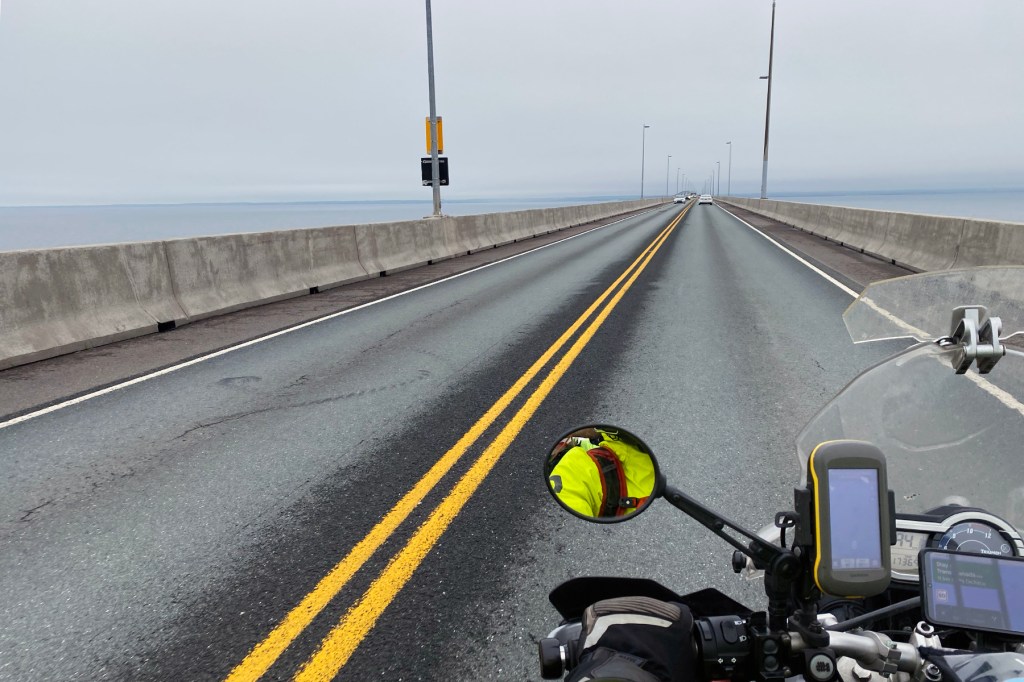
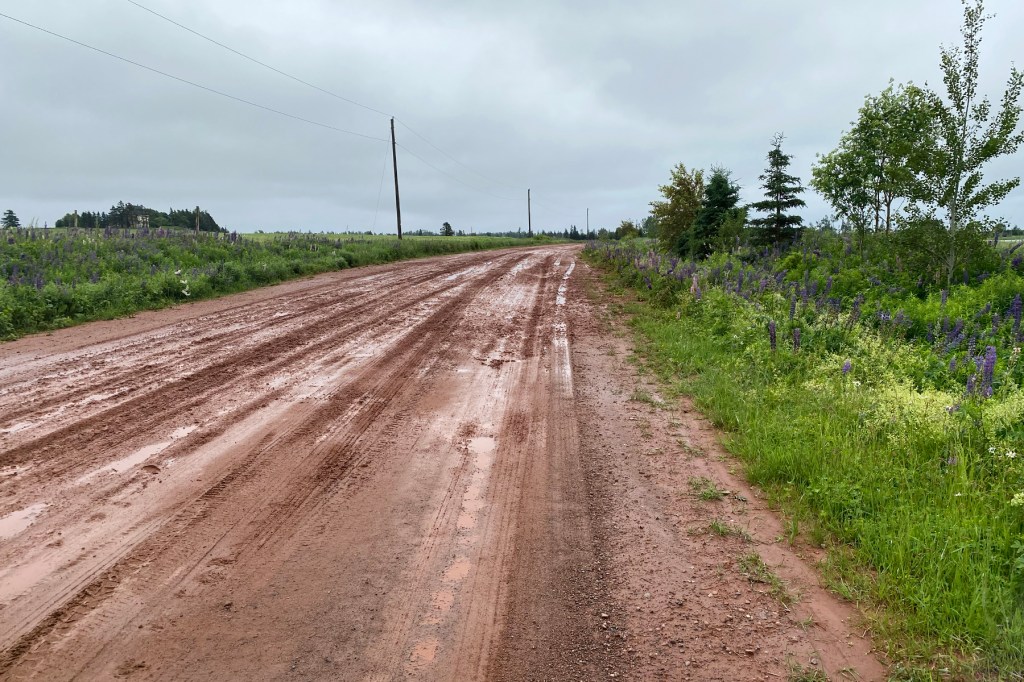
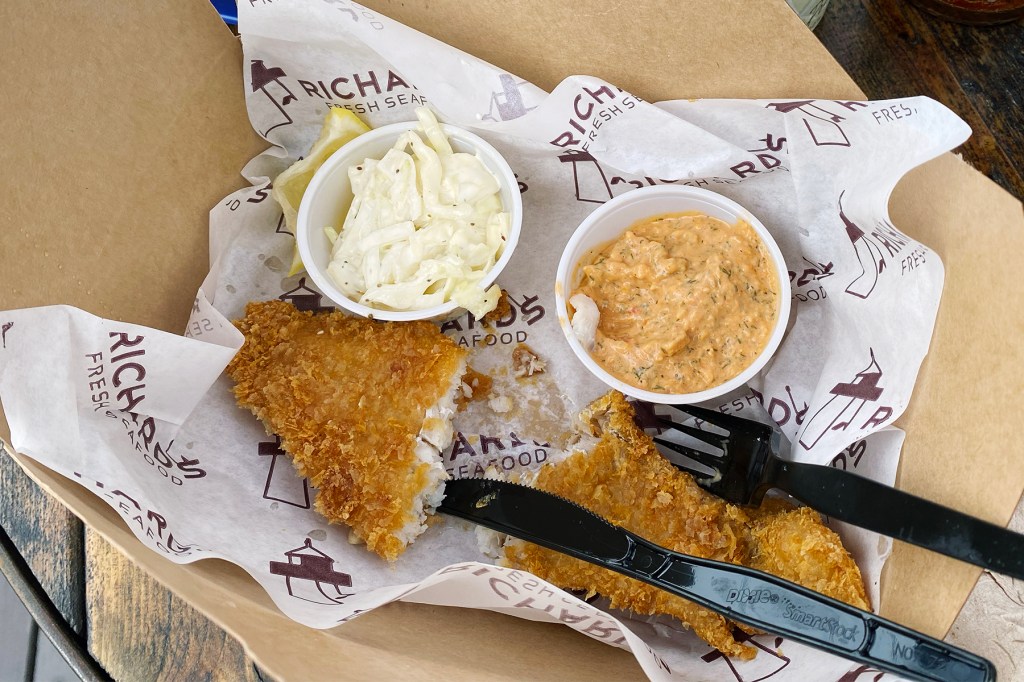
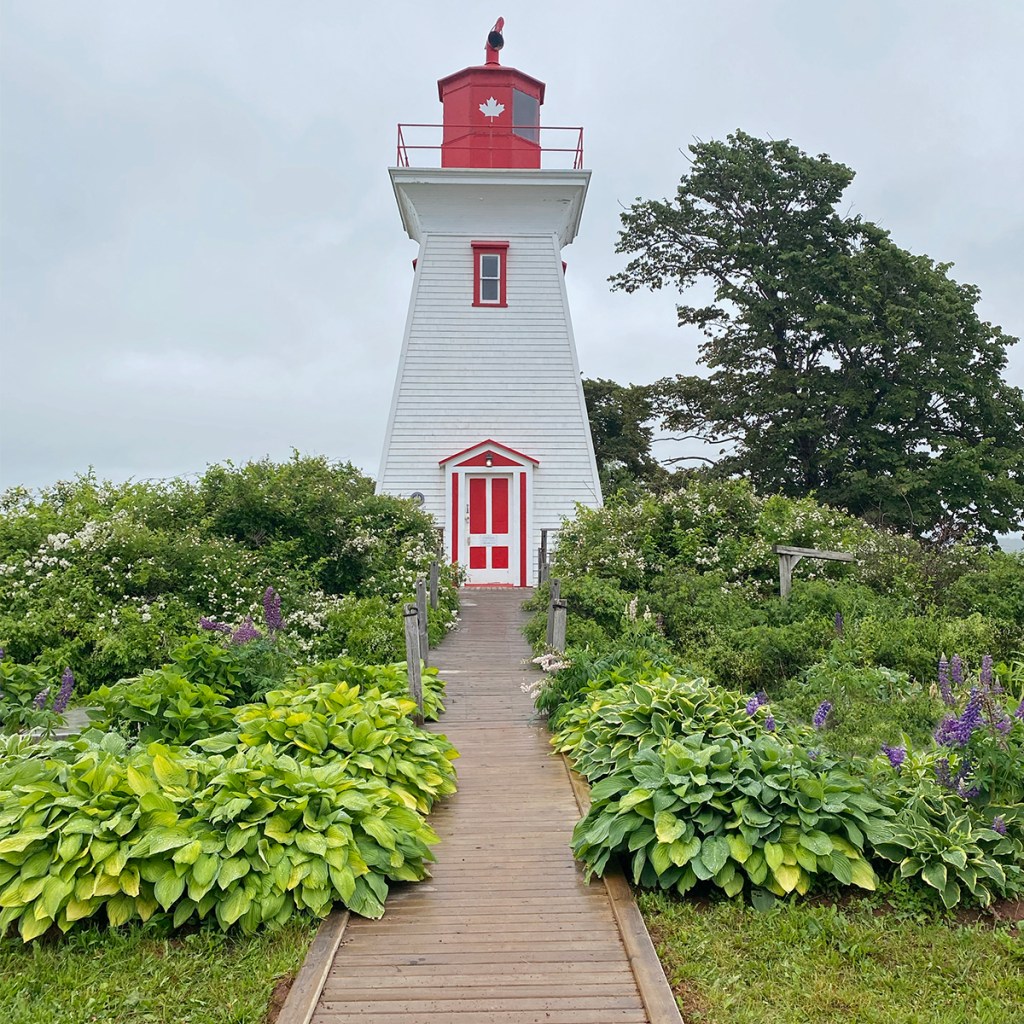


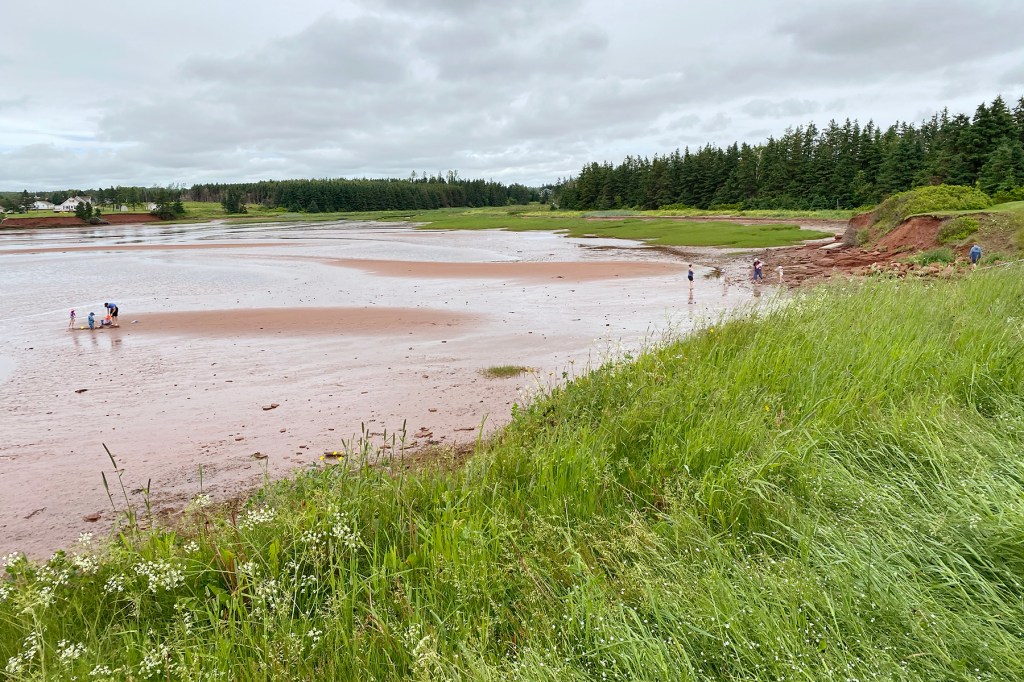
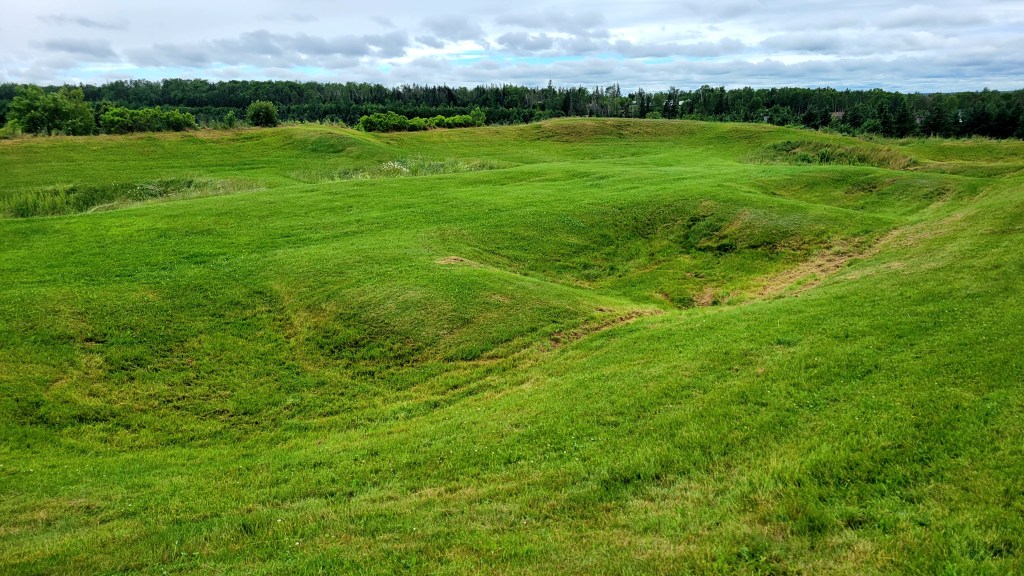
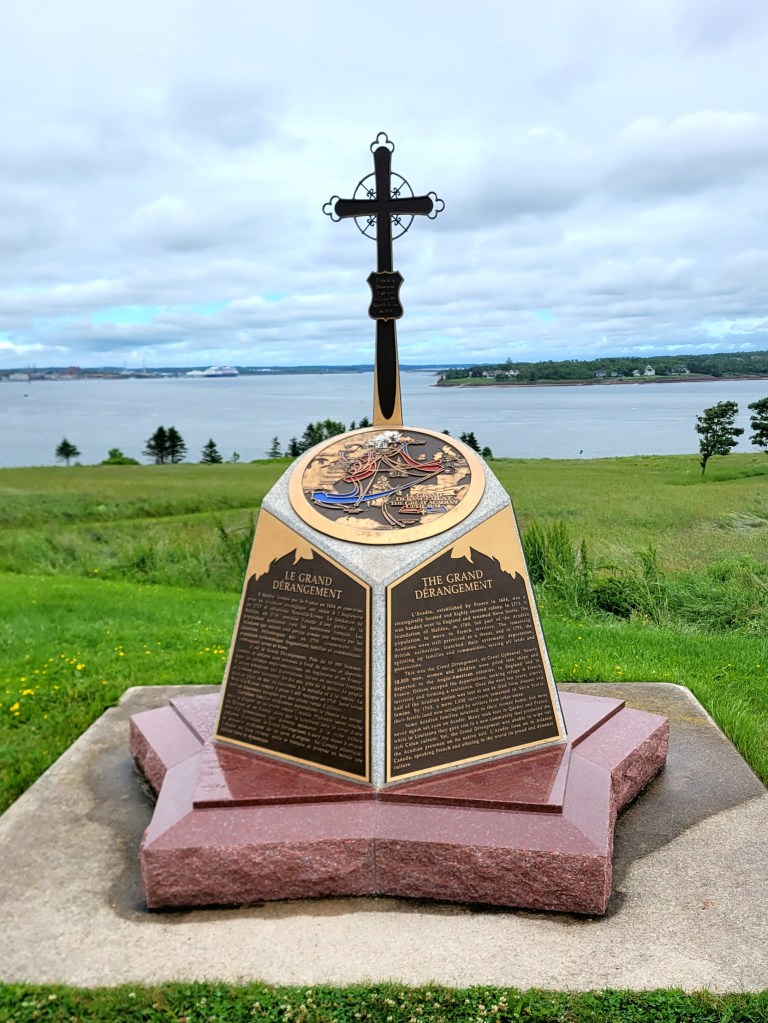

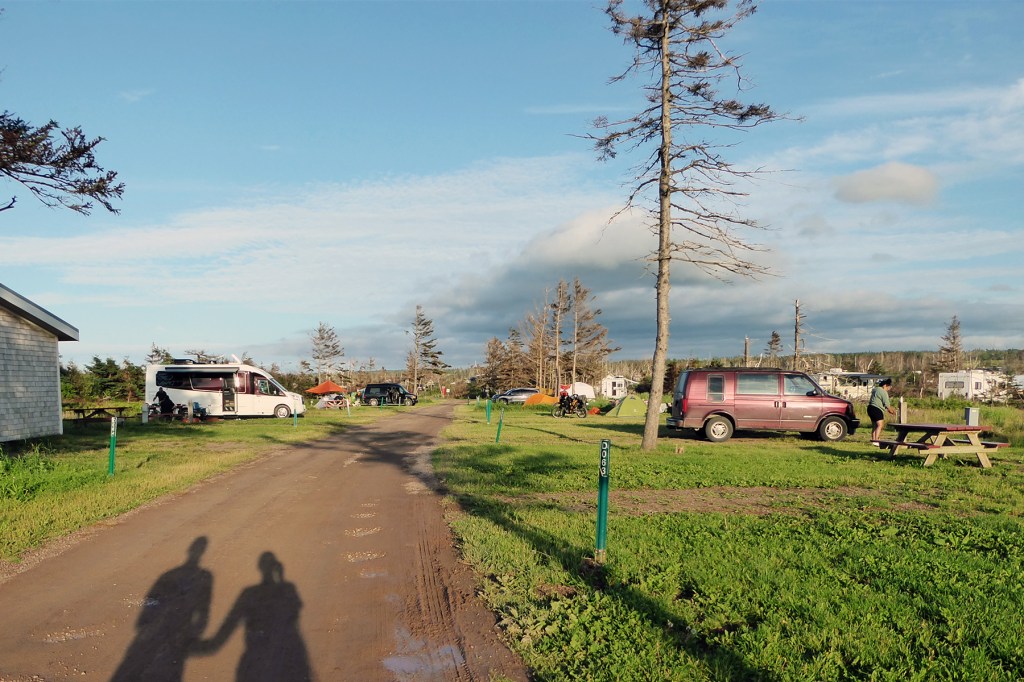


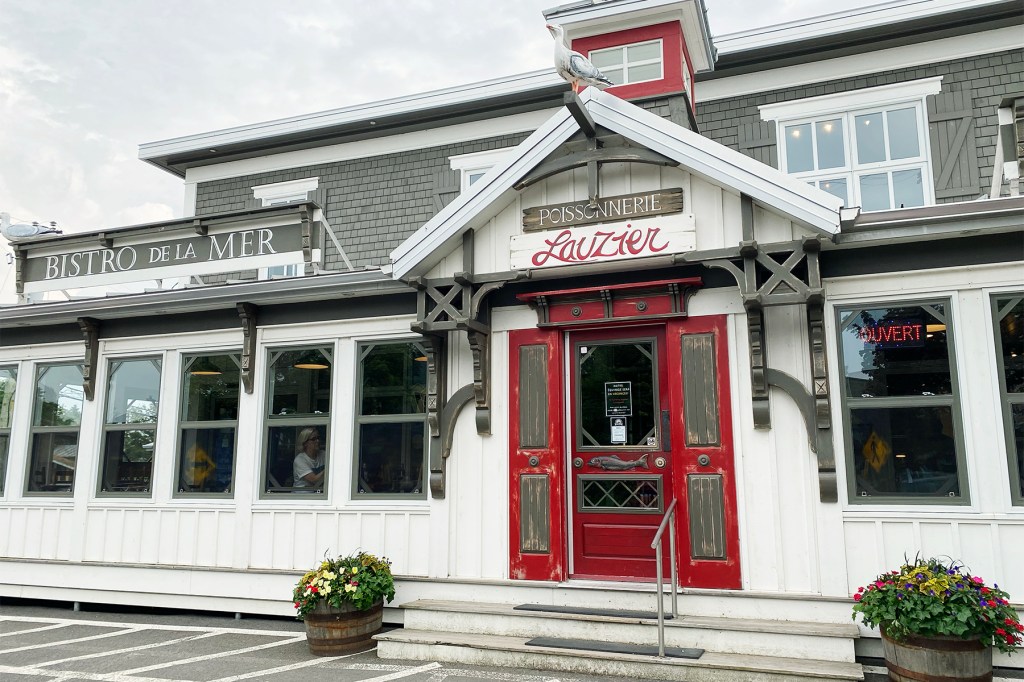

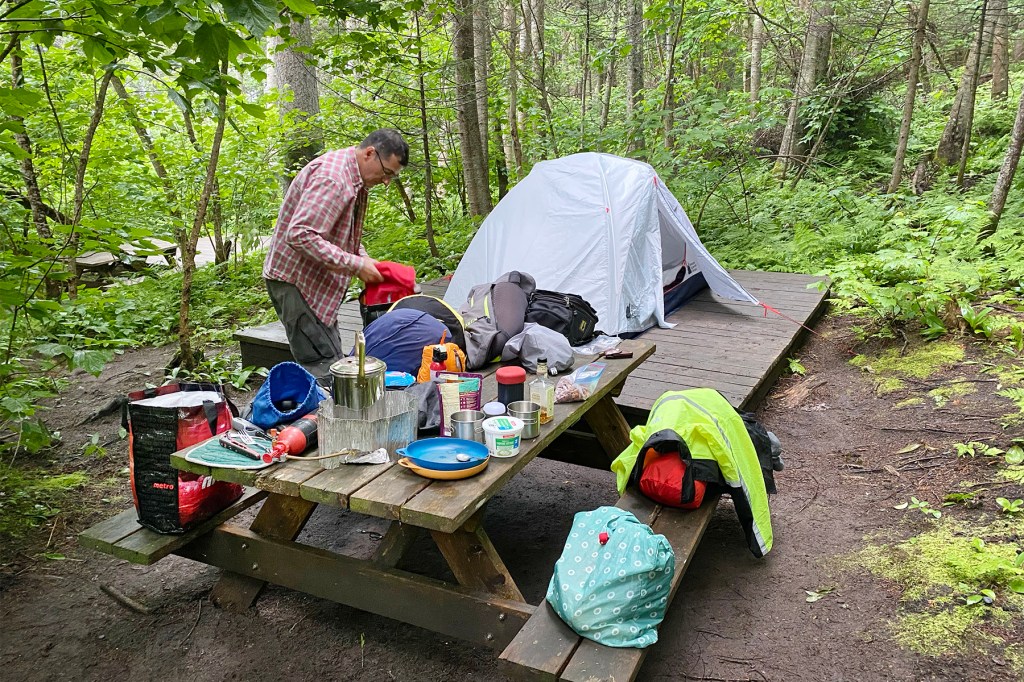


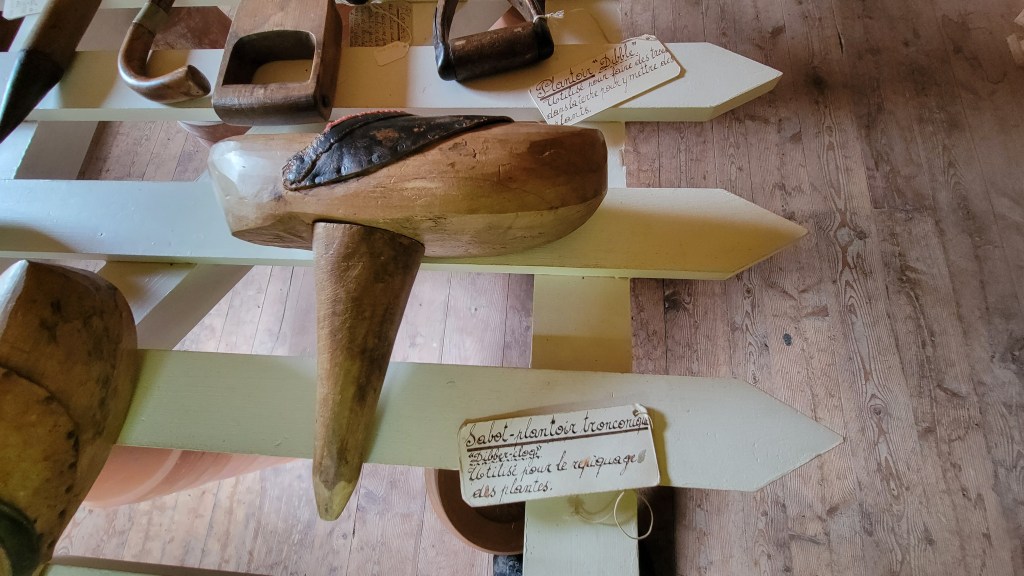

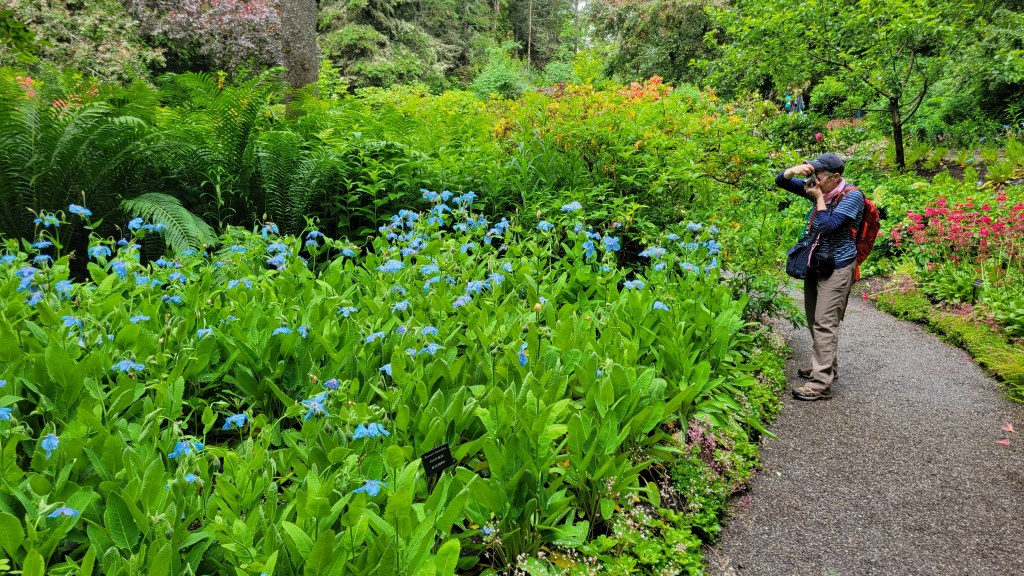





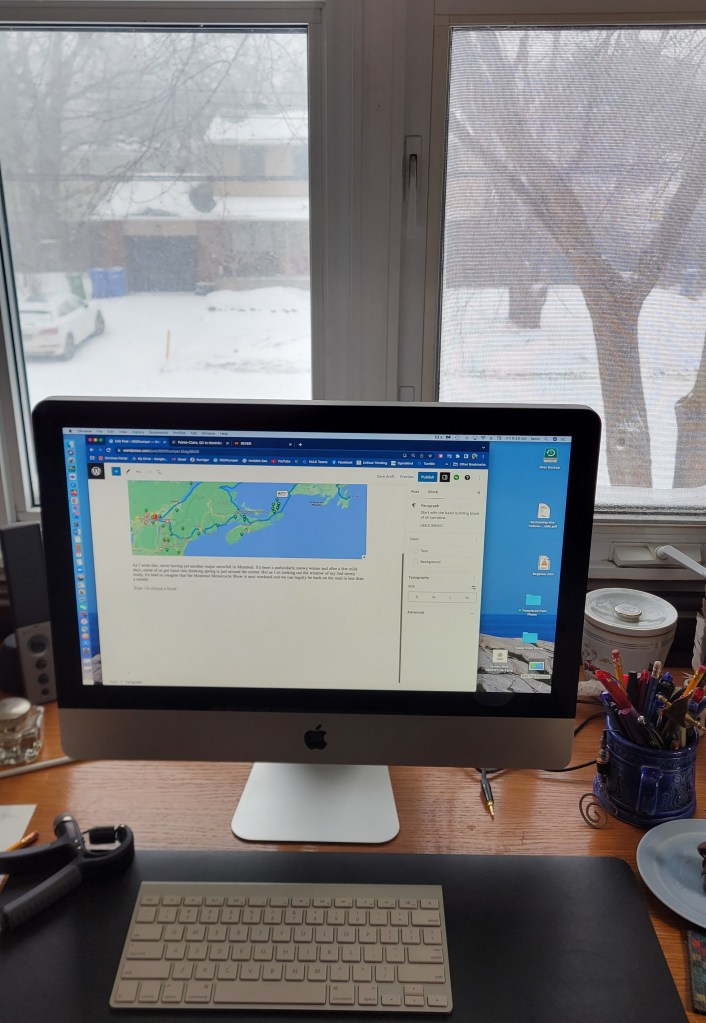
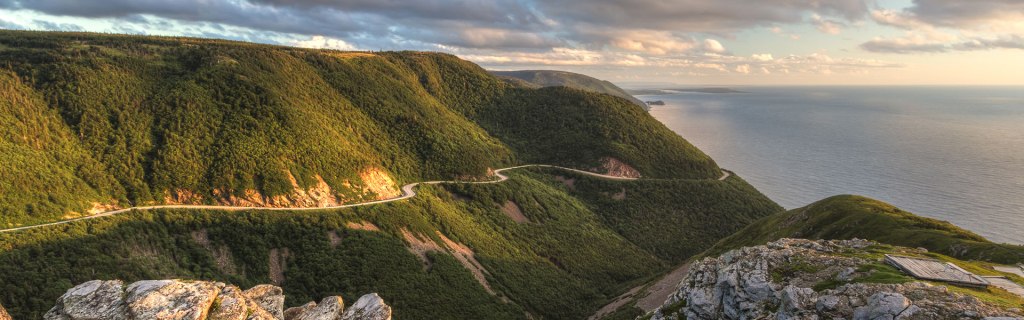


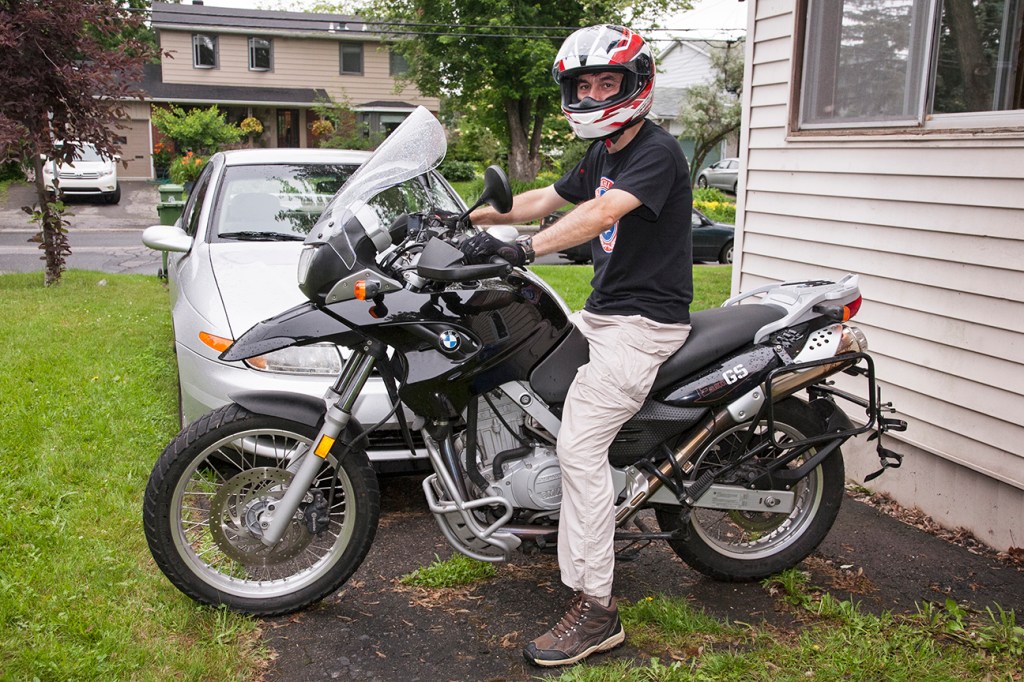
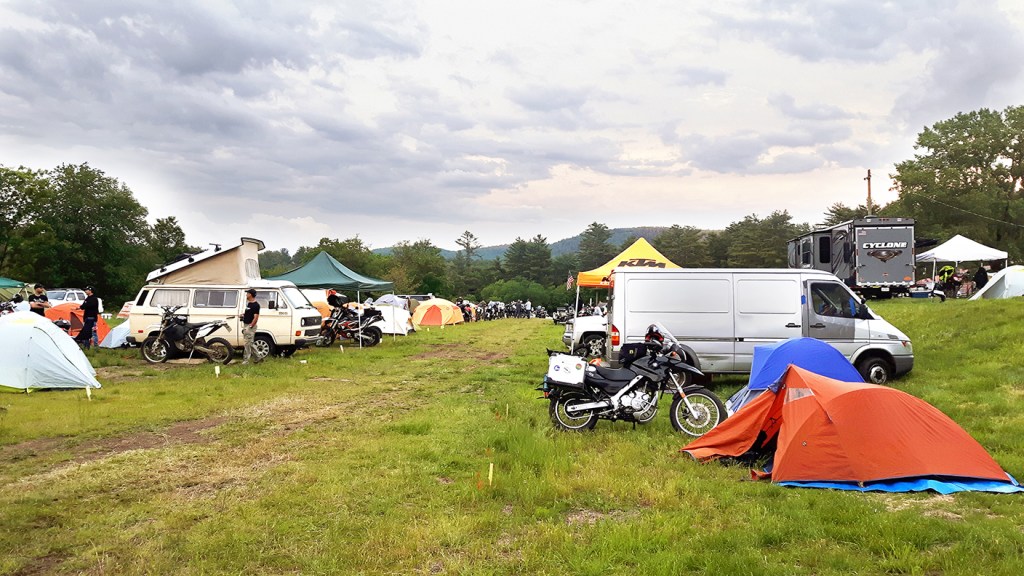


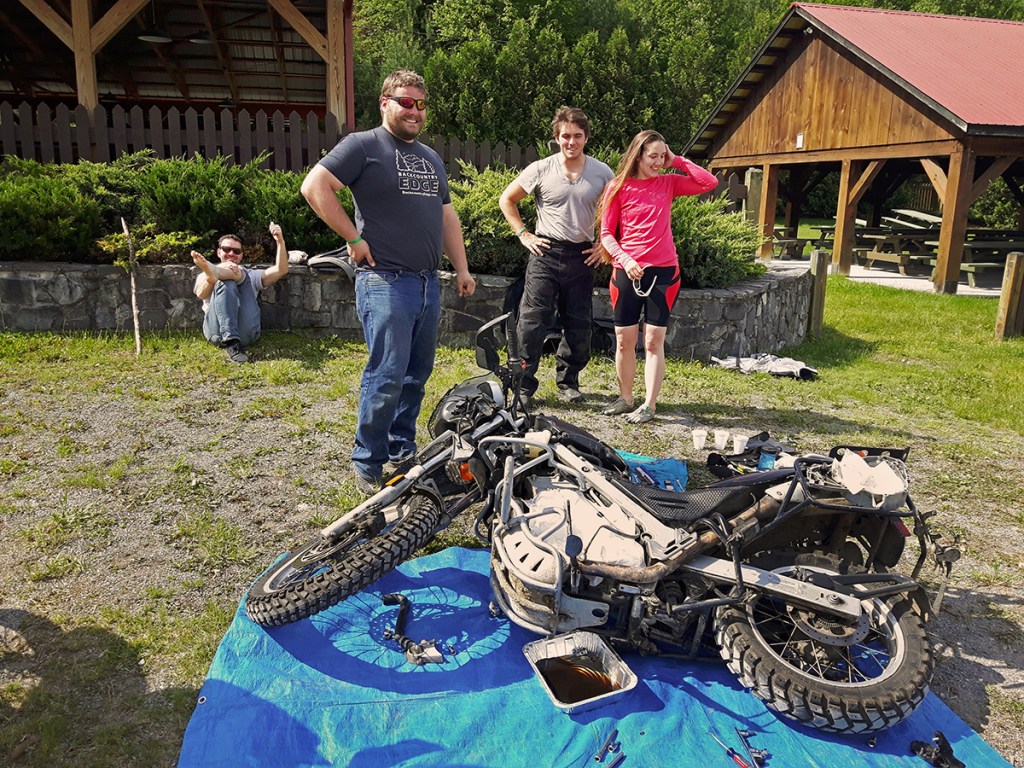


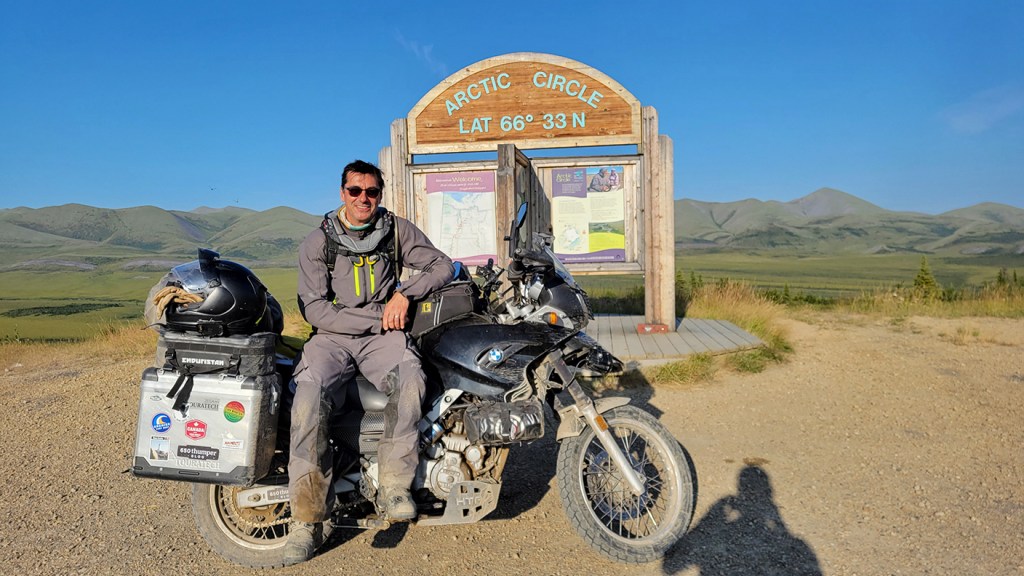


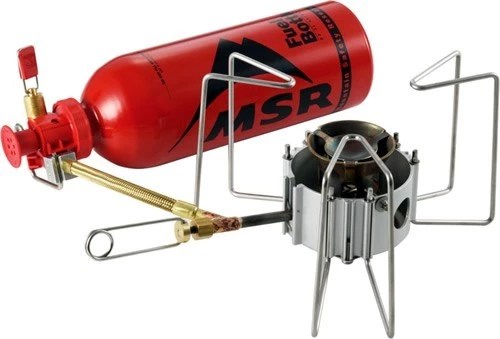

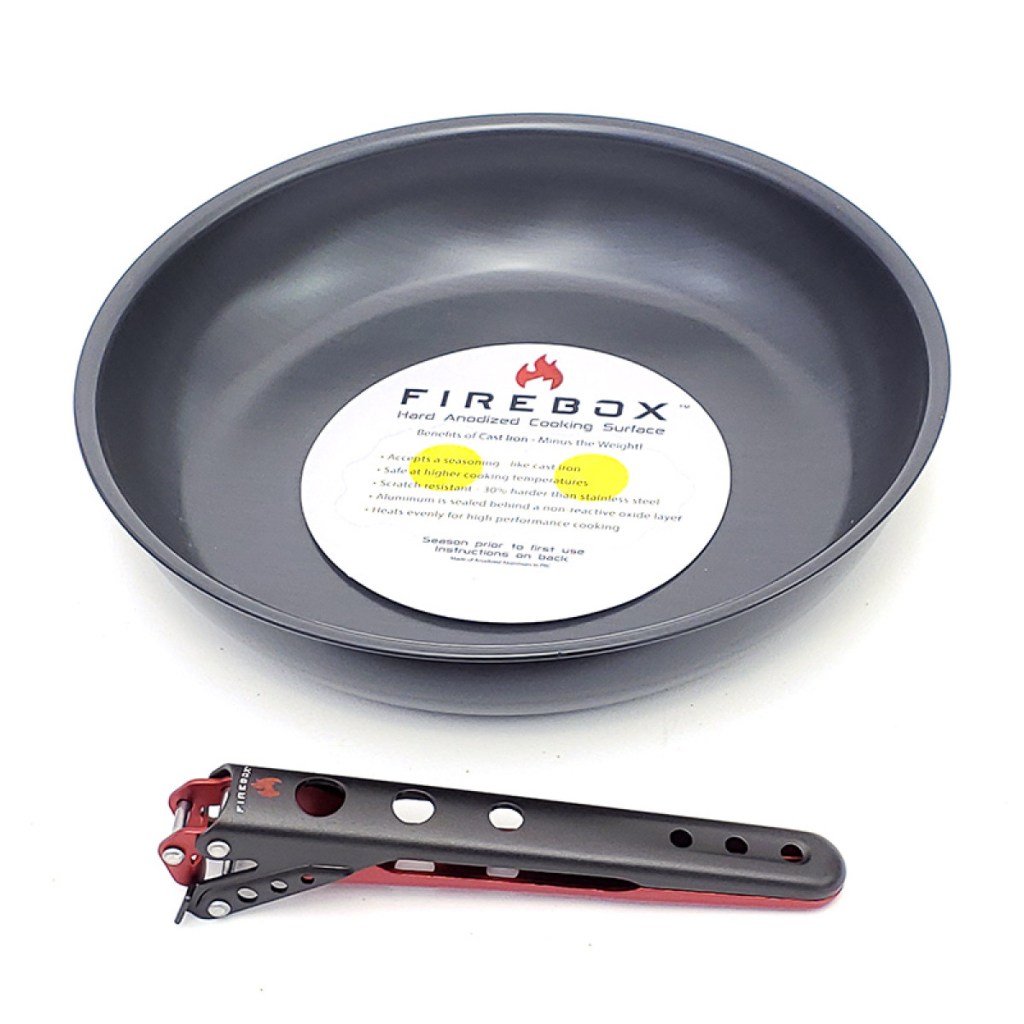


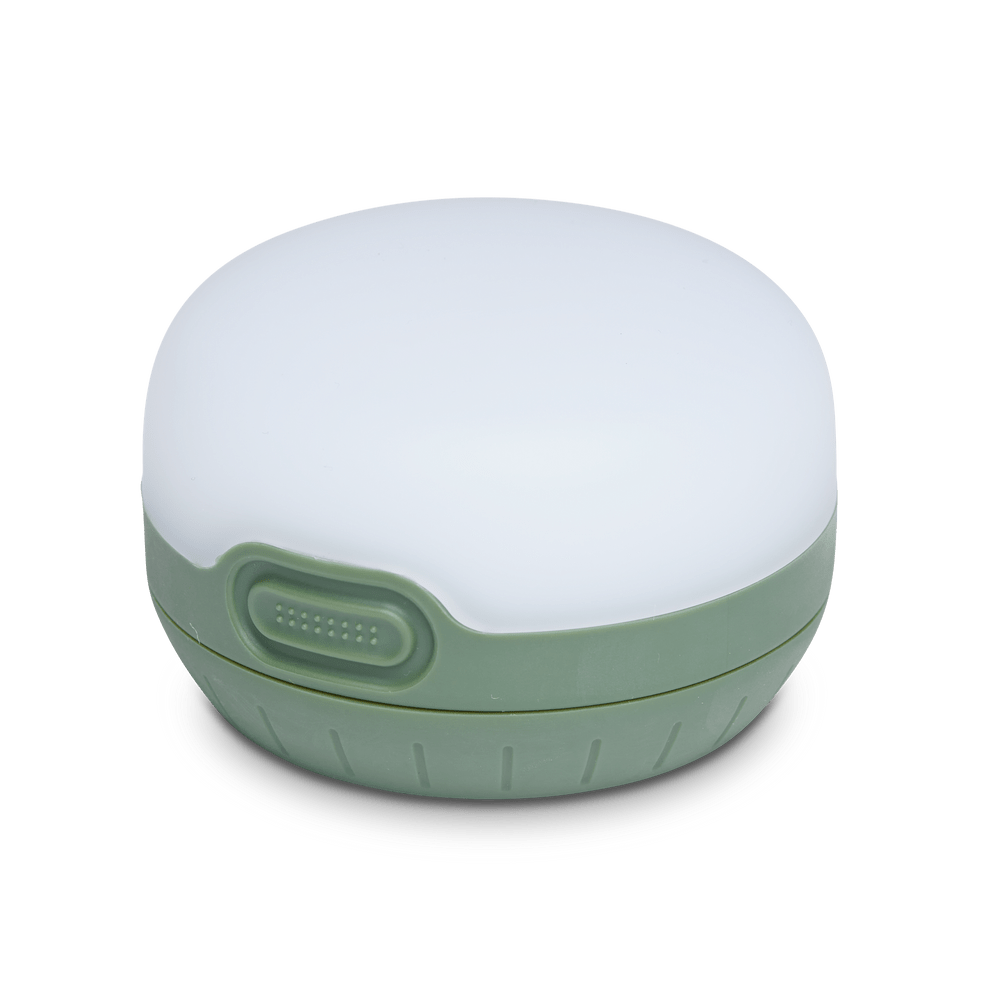


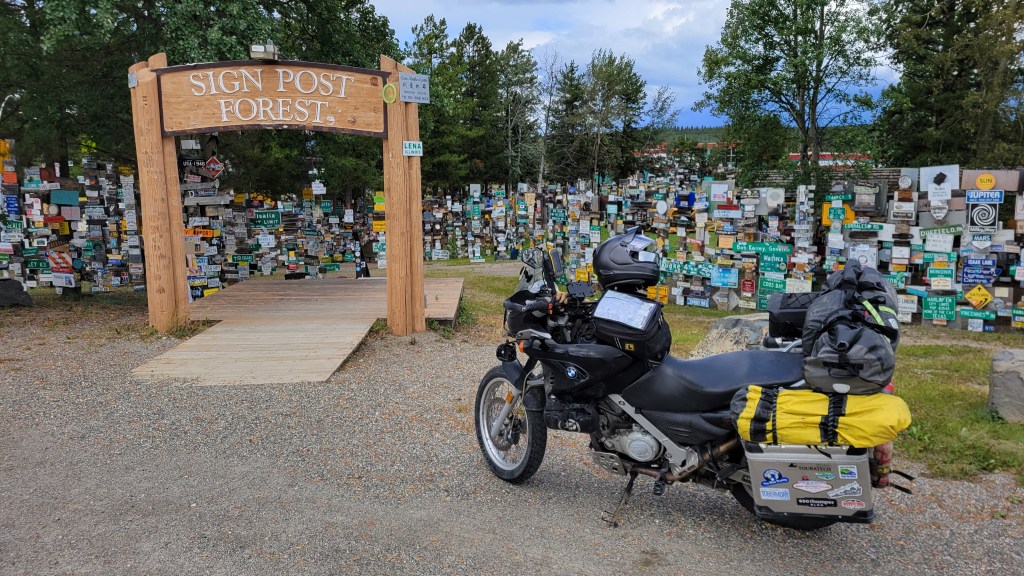
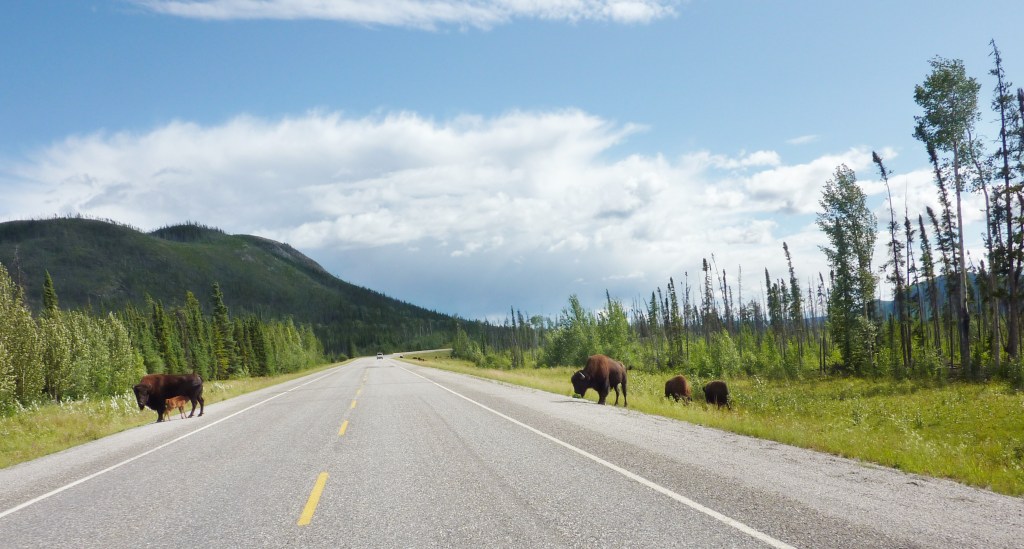


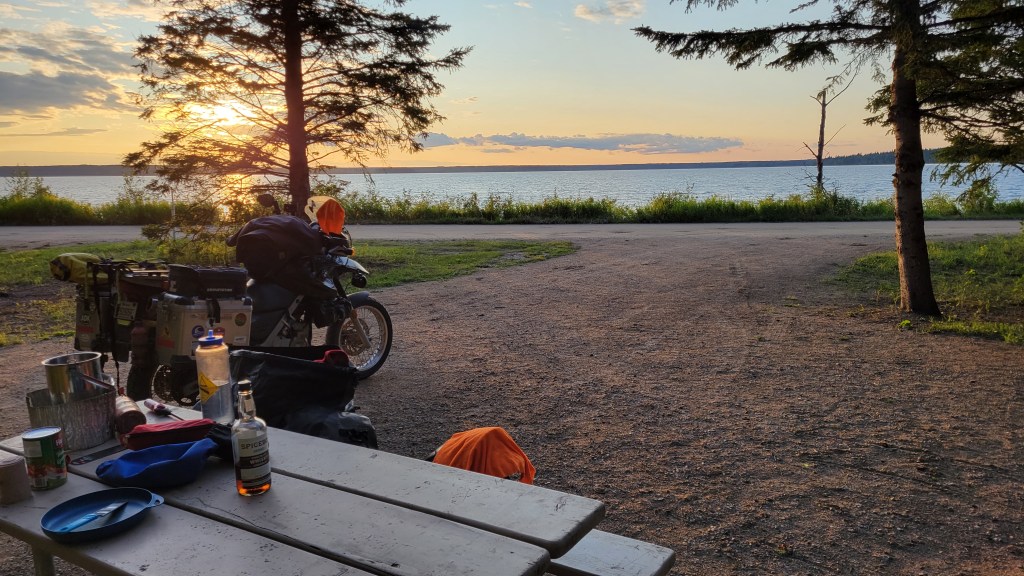
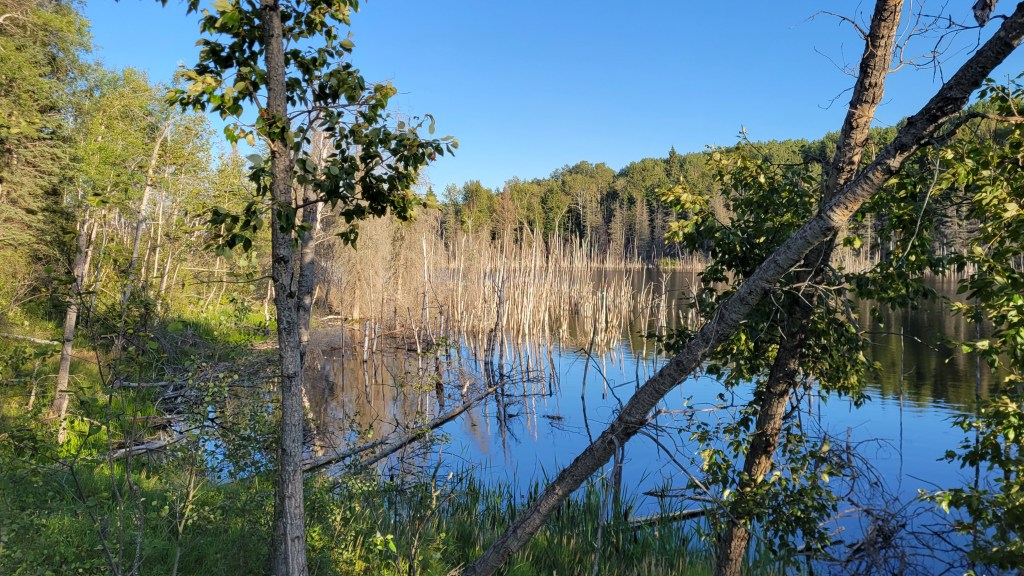


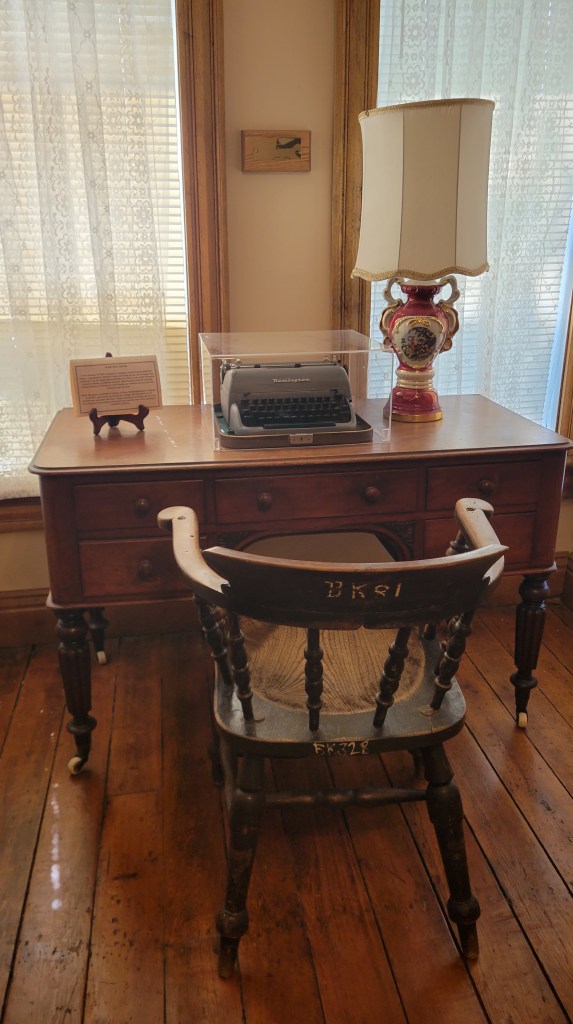
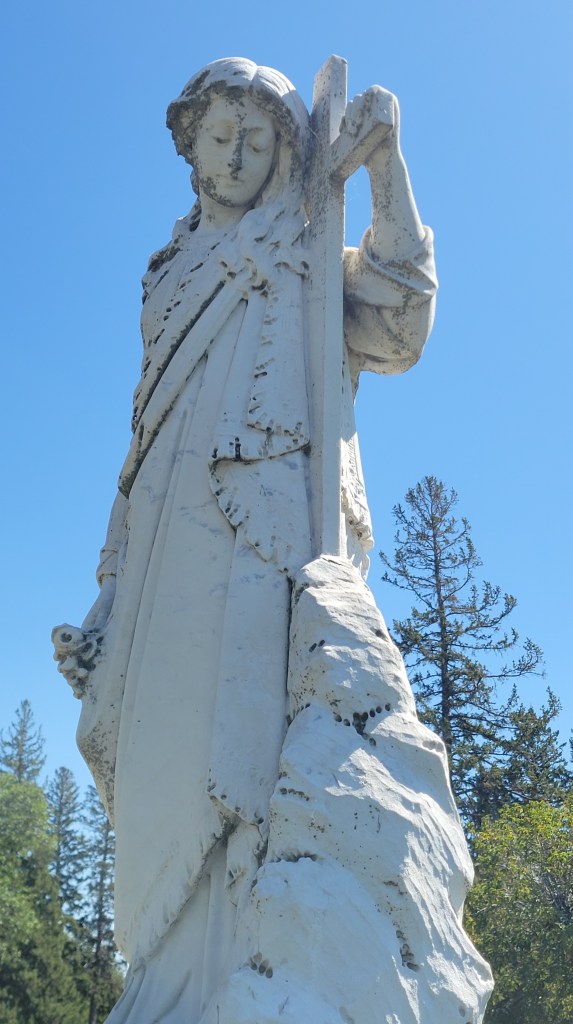


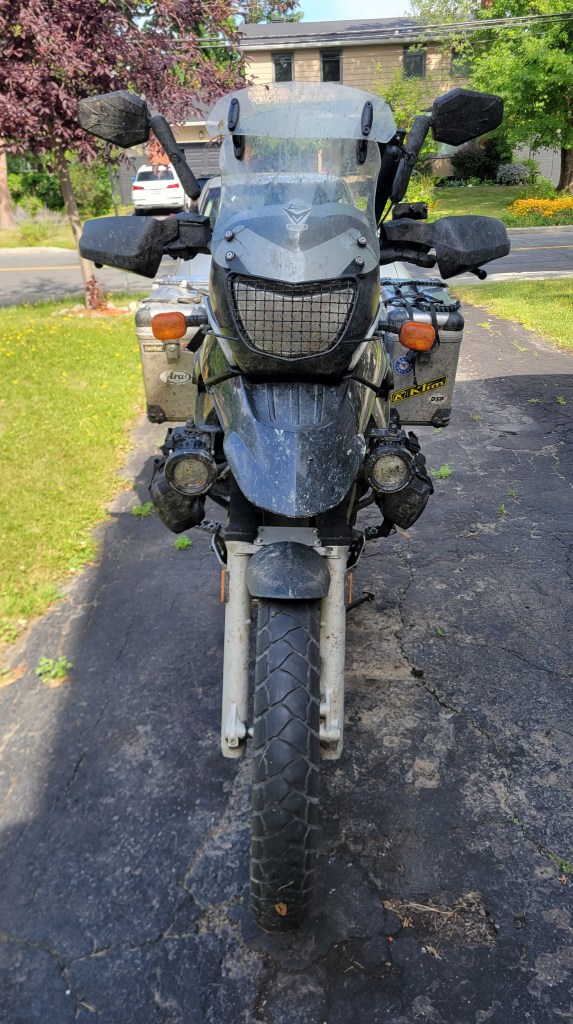


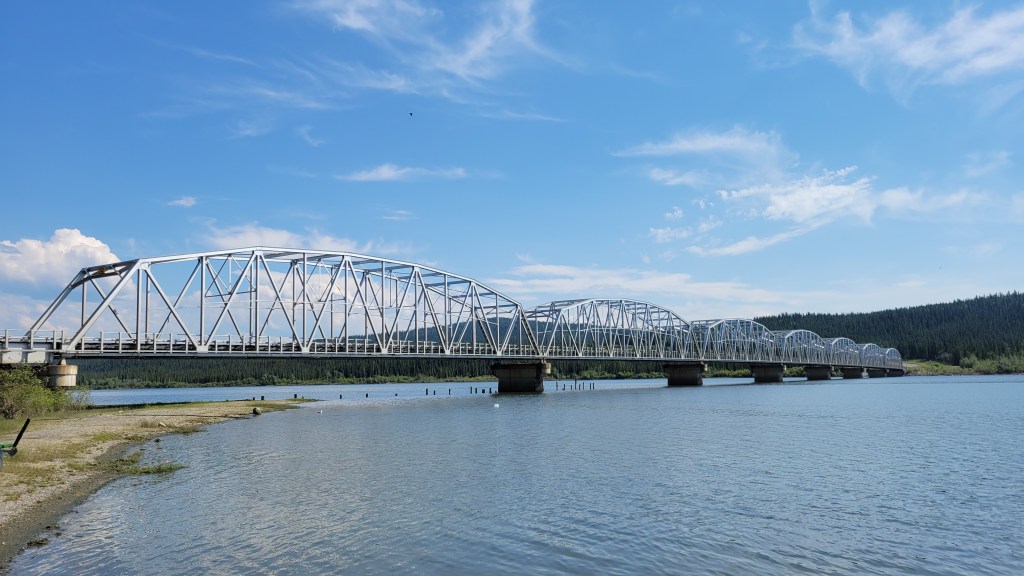




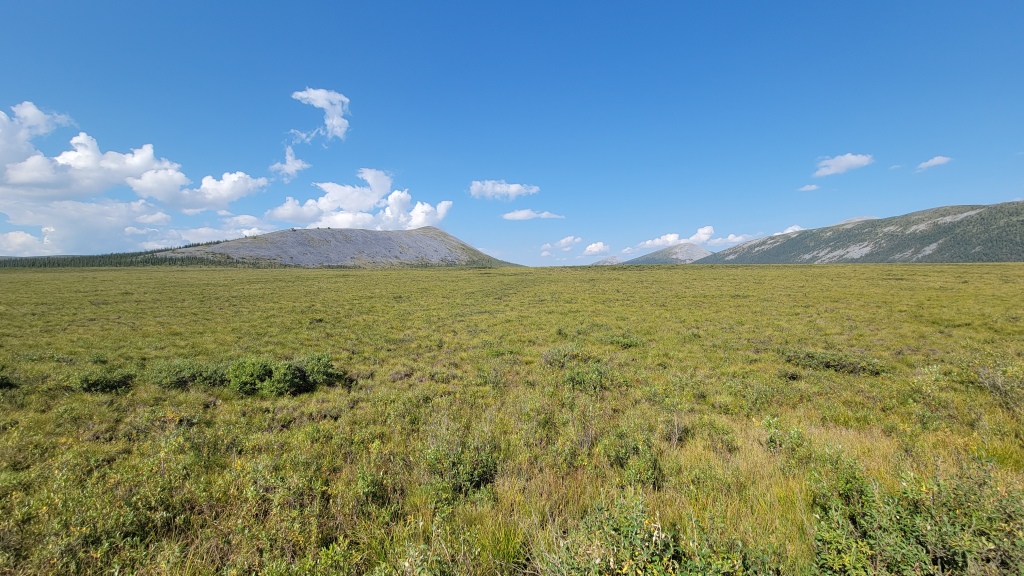


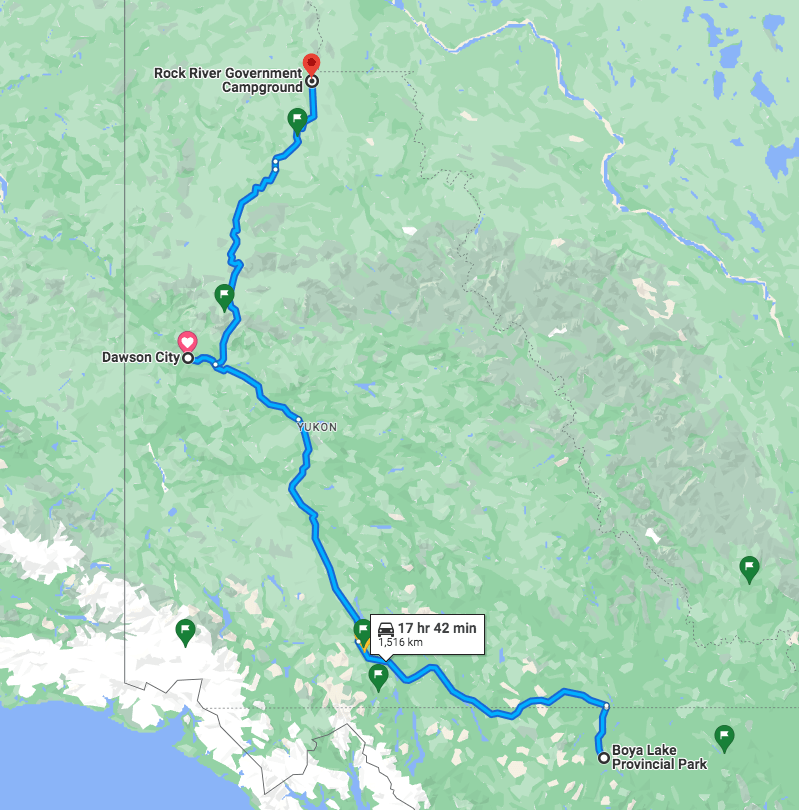
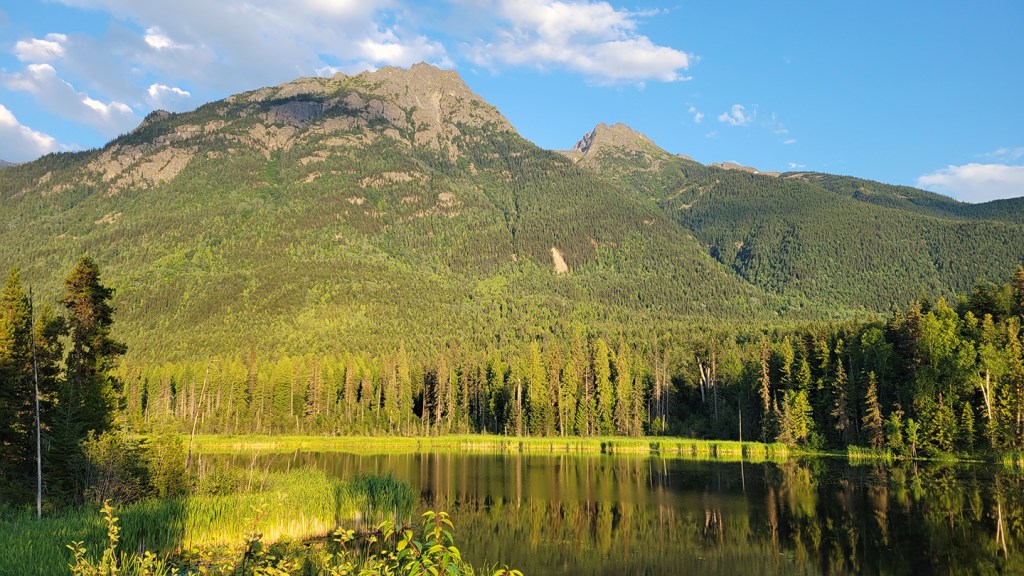
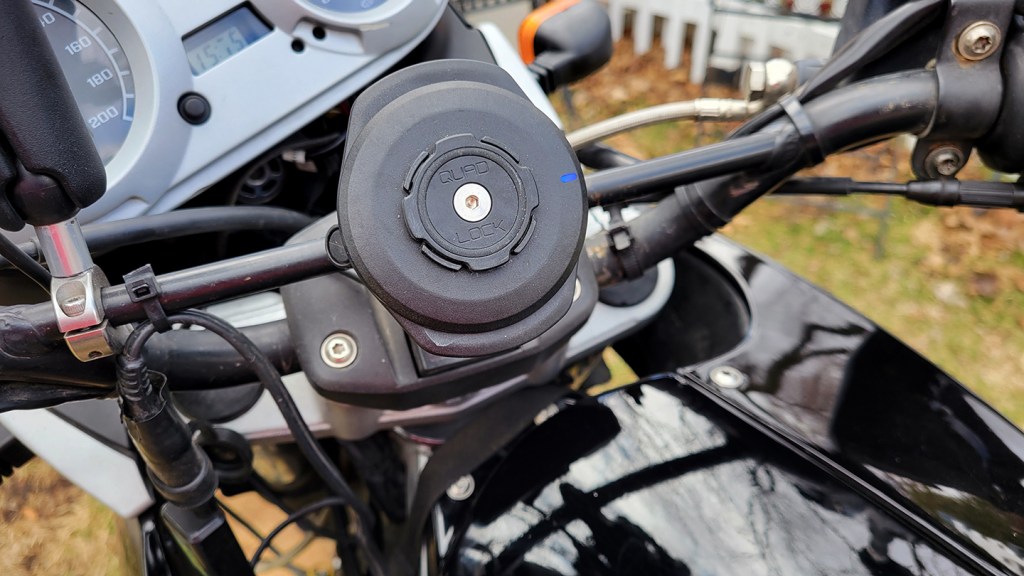


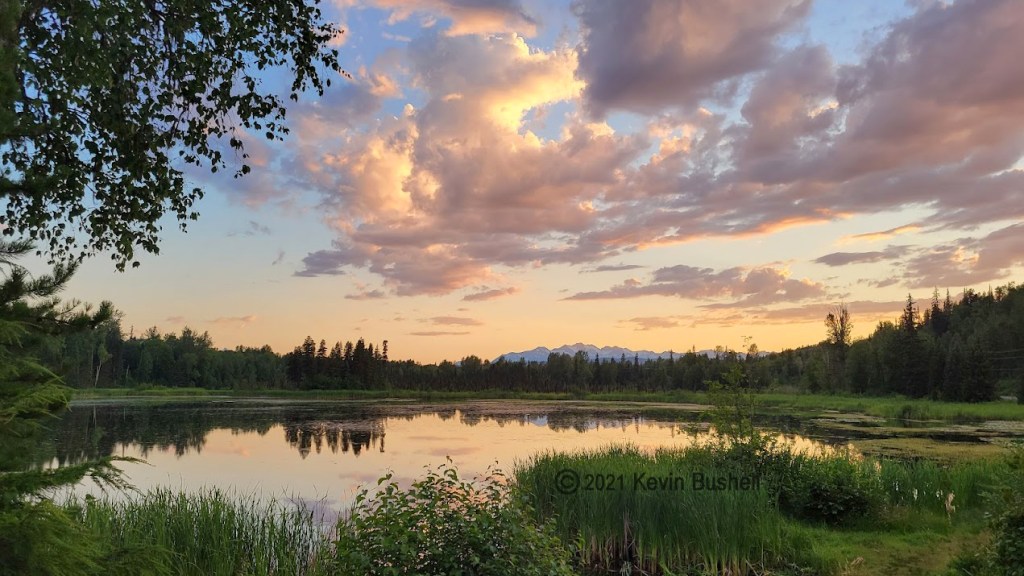
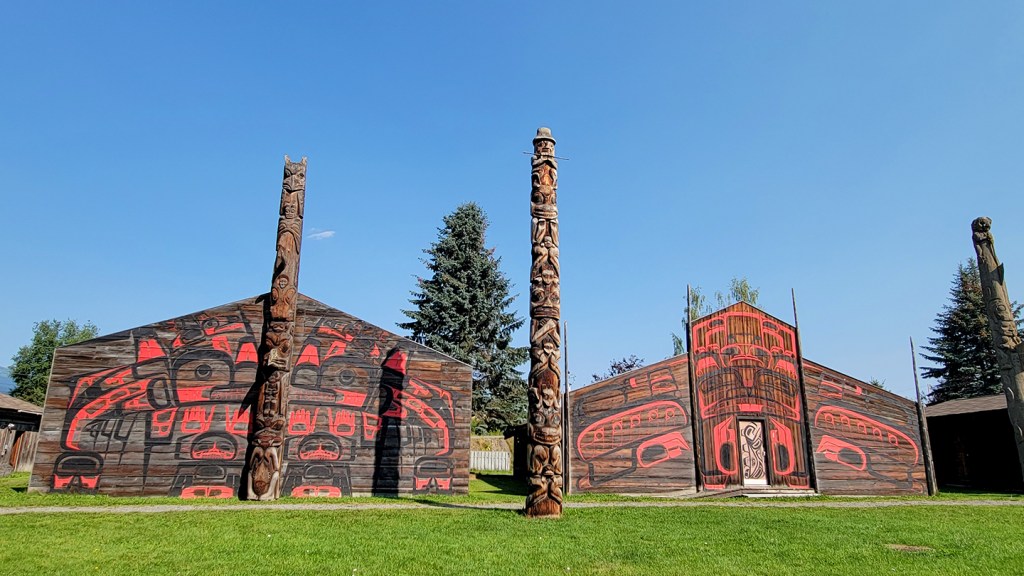

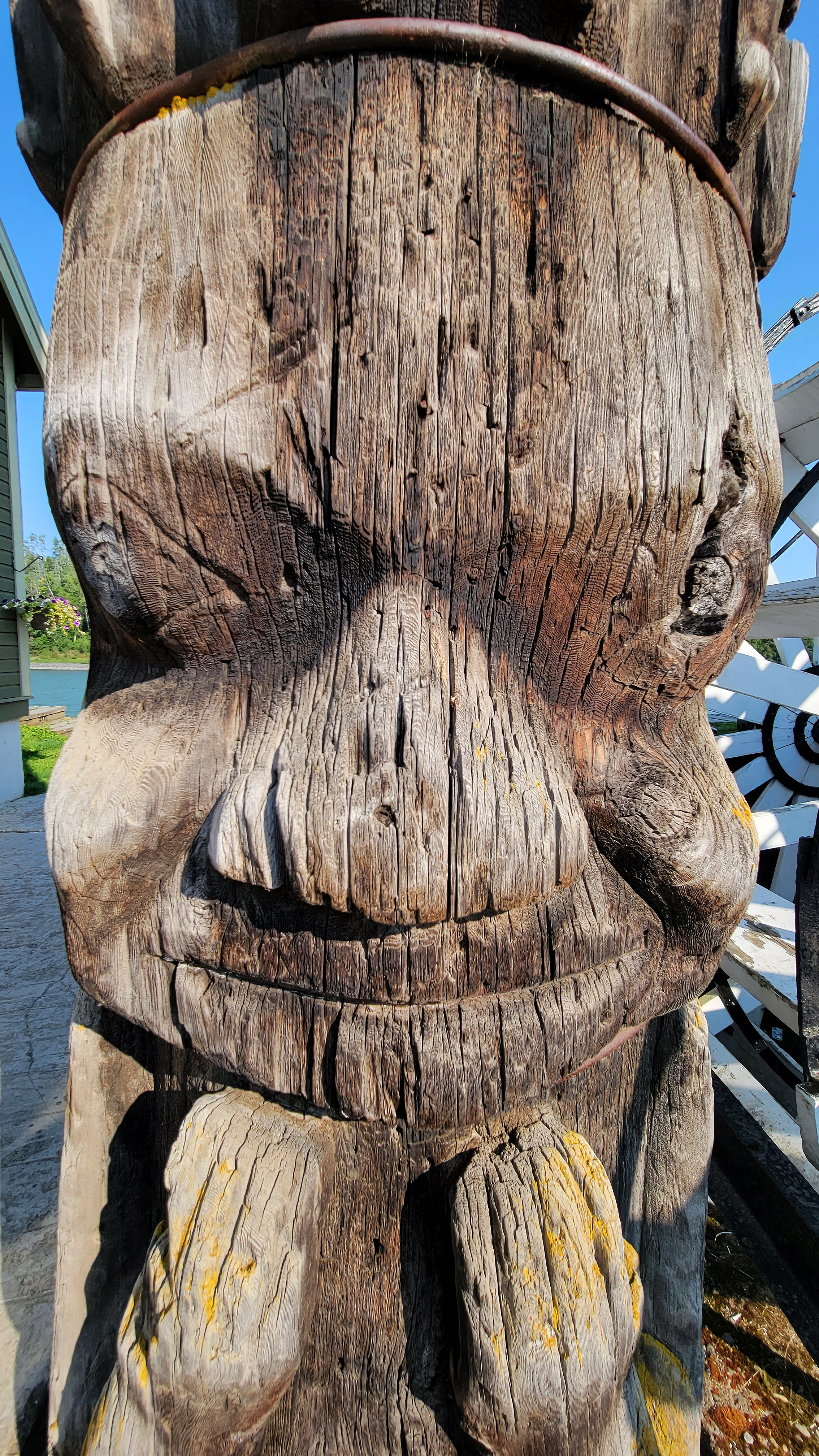

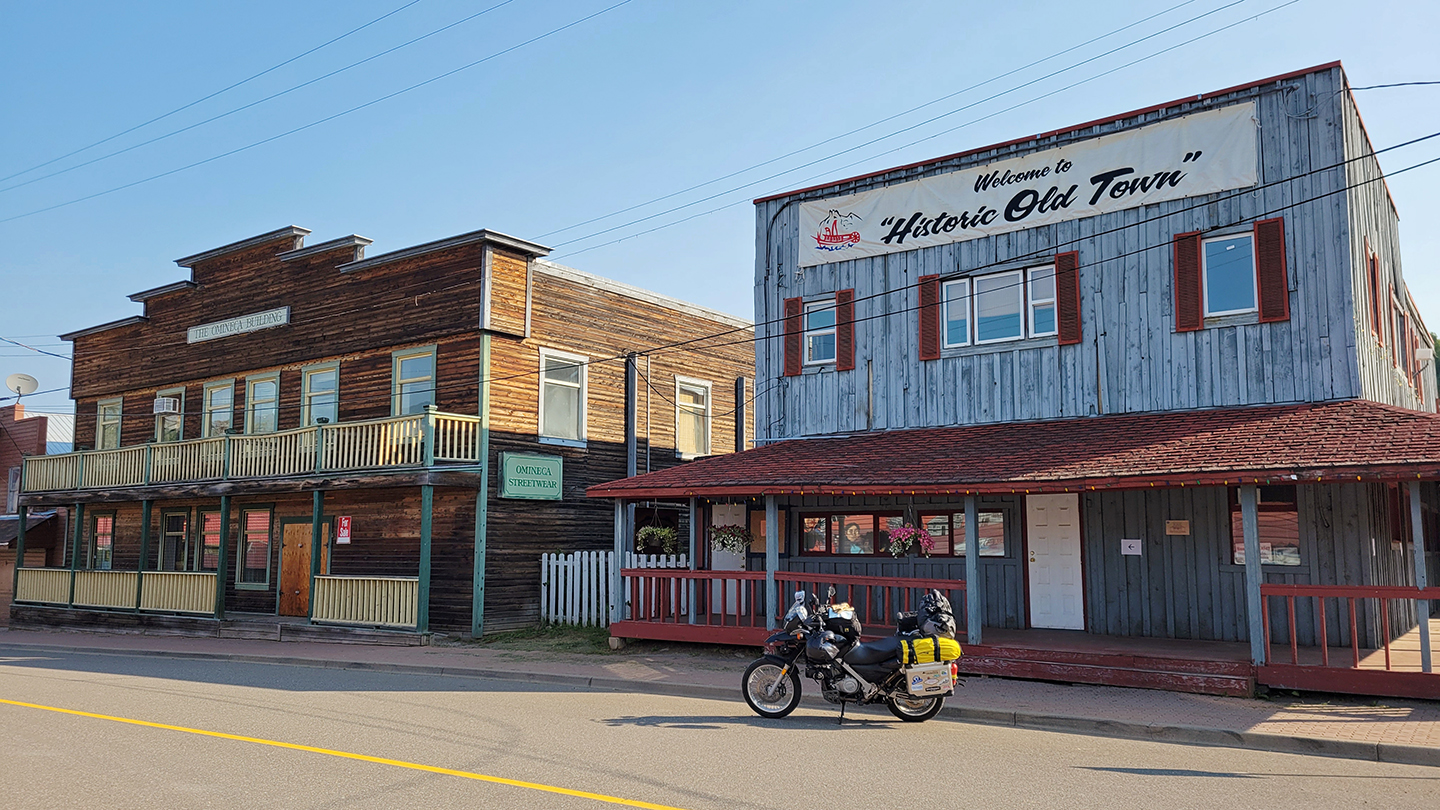

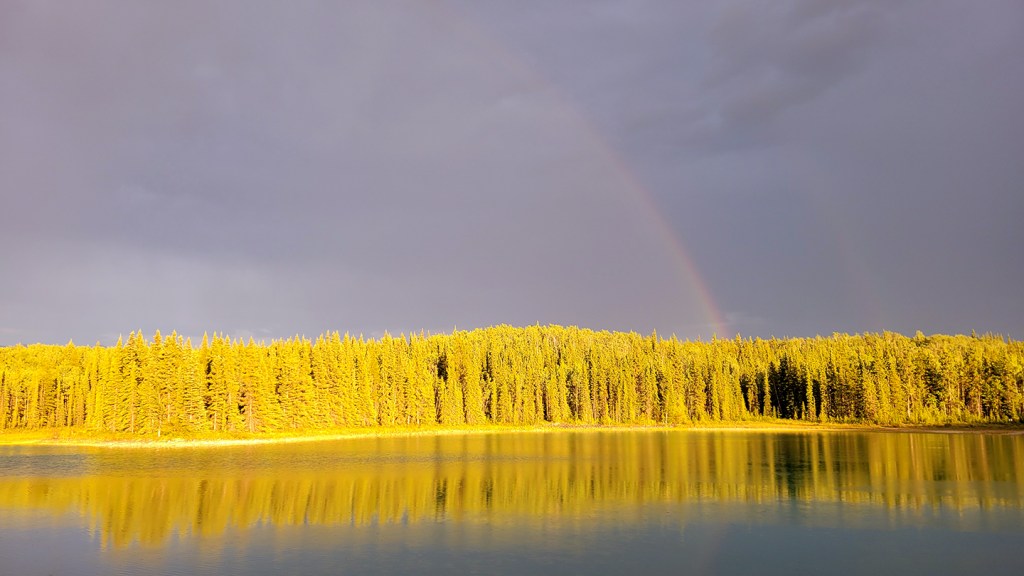
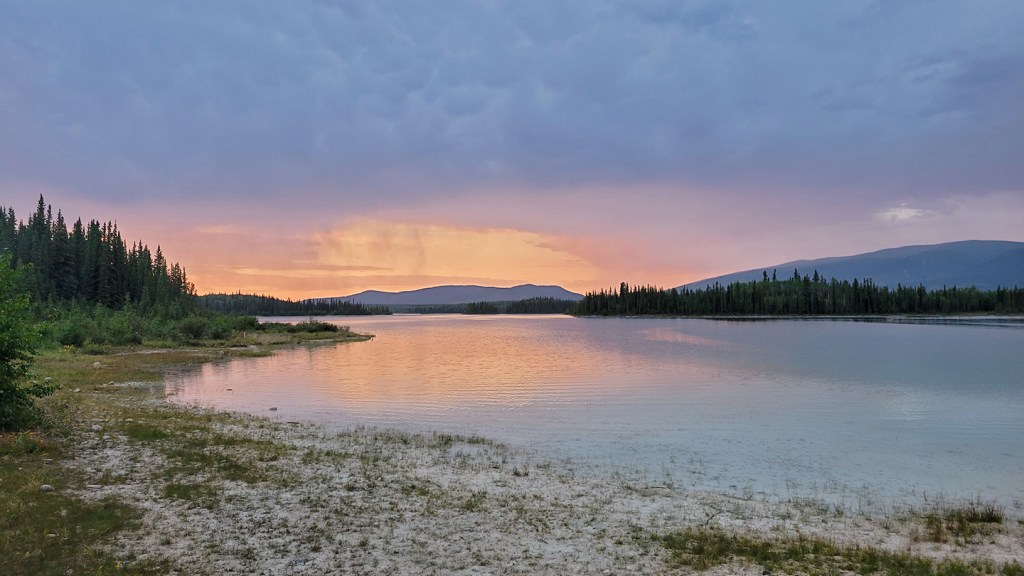

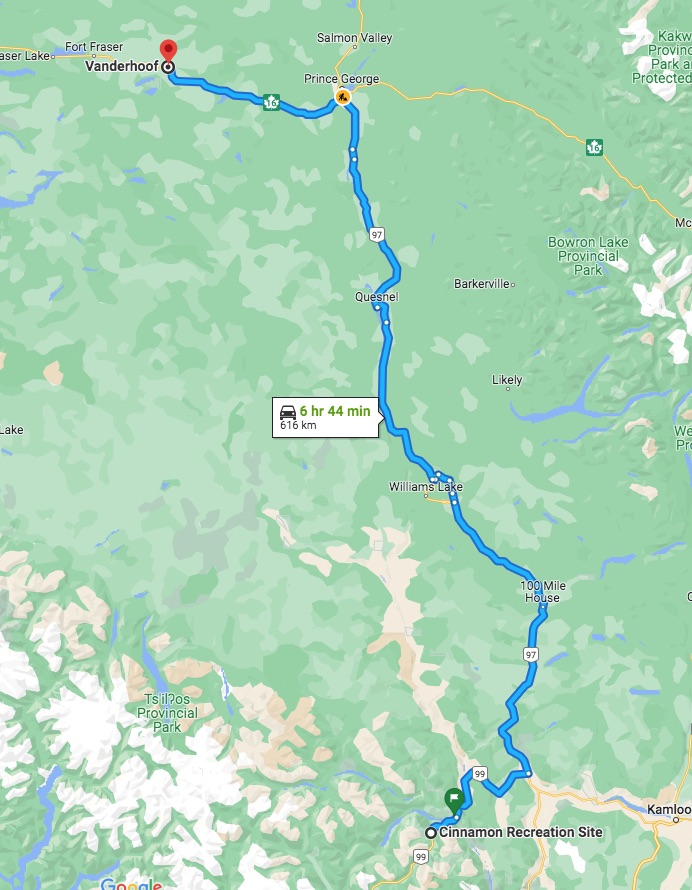


 650thumper